TRANSCULTURE: ACT 1 A PROJECT OF JESPER ALVAER AND ISABELA Grosseova
Tomáš VaněkUmělec 1/2007 / cz en de
The art exhibition in Brno called the Transculture Project: Act 1 of Jesper Alvaer and Isabela Grosse, represents part the Polish concept of “transculturation,” and is part of a larger series of exhibitions with the same name, Transculture, organized by the Bunkier Sztuki art gallery in Krakow, Poland. Each of the six exhibitions making up Transculture is composed of different artists representing their experiences with the topic of emigration. These artists— Pavel Braila, Olaf Breuning, Adrian Paci, Shahram Entekhabi, and Loulou Cherinet—are being shown from 2006 until the end of 2007 in exhibitions accompanied by workshops and panel discussions with professionals from the fields of cultural anthropology, sociology and European studies. The project will conclude with an international conference co-organized by the European Culture department of the Jagiellonian University, Krakow. The conference, in which the concept of Transculture will be discussed by Professor Zygmunt Bauman, professor Władysław Bartoszewski and Ryszard Kapuściński, will feature the place of its origin—Poland. The goal of the conference is to highlight connections that underlie the concept of Transculture and their transformations in the countries of Eastern and Western Europe.
The Journey on the Border
Jesper Alvaer and Isabela Grosse traveled to the northernmost parts of Africa during the first half of 2006. visiting Morocco, Algeria, Tunisia, Libya, and Egypt. They based this sojourn on a goal they had defined a long time prior: to visit all the countries politically and geographically neighboring Europe. More accurately, the states creating its most discussed periphery. They went to Africa as tramps. Zygmunt Bauman, in his book "Globalization: The Human Consequences,"(1) defines the tramp as the alter ego of the tourist. He writes that both the tourist and the tramp are consumers and that late modern, or postmodern, consumers are the searchers and collectors of experiences. Their relationship with the world is firstly aesthetic: they welcome the world as nourishment for their sensitivity – and the world offers a matrix of possible experiences. Bauman then compares both tramps and tourists, in their savoring of the world, to museum visitors who relish in having personal contact with works of art. Bauman’s general definition has a distinct critical overtone that tempts an eager affirmation, but only up to the moment we realize we are incorporated within it—whether we want to be or not.Regions and borders
Jesper Alvaer and Isabela Grosse journeyed from the outskirts of northern Africa to those of Southwestern Europe. Considering their small budget and their motivations for going there, I would regard them as tramps. Such a label better represents their way of movement through the African countryside, and invokes the principle of roaming and self-discovery; these traits were very evident in their art project that evolved according to the people they encountered and everything that they experienced. The accessible information available to tourists traveling to such countries is usually not in favor of the tramp.- Because of unsafe conditions in Northern Algeria we do not recommend individual tourism there.
- When traveling through the Rif region have a heightened sense of awareness. Traveling or hitch-hiking alone in Morocco is not recommended.
- Tunisia –a moral police was started in 2003. They do random spot checks on groups of young people and couples to make sure all are complying with the rules of Muslim society. While in the company of foreigners local inhabitants are examined similarly, especially at night.
- Present-day Libya should not be visited alone. Those interested in traveling to this country can choose from two different methods of group tourism.
- There is a danger of terrorist attacks by radical groups in the region of central Egypt, and other areas including Al Minya, Malawi, Suhaj, Asyut, and Kenya.(2)
The Collection in the movement
As both artists traveled to these places, they met new people, made videos and took photographs of their experiences. But this material collectively did not become the most important part of their project, as one would expect. More important to them was meeting the people themselves, whether randomly or by the recommendation of others. They searched for something that would transform these formal meetings into definable relationships. They longed to join a local context, and in turn tried to behave and act like the locals, offering services, exchanges, deals, and cooperation. The slogan “think globally, act locally,” first used by the Situationists,(3) implies a similar strategy. One's authentic interests include global realities such as the living environment, but effective power can never be global without being repressive. A top-down solution only reproduces the existing hierarchy and estrangement. Simple local action in the conditions of “empirical freedom” can cause a change in the level of the “life lived” without any impressive categories of domination. In the course of their journey through these countries, they purchased various “guild” signs from Egyptian craftsmen who were standing by the road in Libyan Benghazi, showing the kind of work they do to make a living to passers-by. These emblems include a hammer and chisel bound together for demolition works and a dried up paint-roller on a pole set in a tin for painting work. Another specific action–service is in the form of the invitations to visit Brno with all documents to prepare a journey for one Moroccan, one Algerian, one Tunisian, one Libyan, and one Egyptian – complete with all required bureaucratic formalities.A gorilla on the road
As we already said, the idea of Jesper Alvaer and Isabela Grosse’s project was defined as “on the move.” On April 6, 2006, they visited a zoo in Ben-Aknoun in Algeria, where they met a man dressed up as a gorilla and had pictures taken with him to sell as souvenirs. Upon returning to the Czech Republic, an idea dawned on them– why not invite this person to Brno? They had only a photo with him wearing the gorilla suit, and never saw his face. With no contact, they set out to find ways to get the man an invitation complete with an offer of financial support for the whole trip. In the end, they managed to reach the man via a vet working in the zoo. The man accepted the invitation, and traveled to Brno with the gorilla outfit.Invitations, visas, airplane
tickets and accommodation The Transculture: Act 1 project was thoroughly realized in Brno. It was divided into two parts: an exhibition for the Atrium at the Pražák Palace - Moravian Gallery and the visitors from the African countries. As an institution, the Moravian Gallery played an important collaborative role by issuing the official invitations for the selected guests. The significance of such a gesture is apparent as soon as one fully understands how the countries of North Africa are perceived as part of the Moslem world in the context of the “Western democracies’” global war on terrorism. The project incorporated volunteers who were willing to take care of the invited guests after they arrived, providing accommodation and food, and put them in contact with people so they’d have the opportunity to get inside the life of a particular place for a certain period. An array of sponsors included Brno’s Avion Hotel that accommodated two guests for the whole time, grants and a considerable amount of support financed by the artists themselves.Exposition as an accompanying product
The exhibition itself in Pražák Palace Atrium was presented in the formal manner of a museum exposition. Artifacts were exhibited that were borrowed from institutional and private Czech collections with some relation to the North African countries visited by the artists, and which have a personal, historical or political background of its archiving in these collections. The installation was accompanied by the Egyptian workers’ guild signs. The exhibition itself was a kind of a by-product that enhanced information for the other, much more important part of the whole project.The guest as an art form
An Algerian, a Tunisian, an Egyptian, a Libyan, and a Moroccan…in Brno? Nobody in Libya accepted their invitation, and the artists were unable to contact the people they had met there; in Egypt the invited officials from the customs office didn’t get the visa from the Czech consulate even after a series of explanatory letters and phone calls – via the Czech Ministry of Culture and the diplomatic service. But the fact that Jesper Alvaer and Isabelle Grosse managed to finish and realize an invitation for some these people made the whole event a unique act. It is difficult to be presented through an exhibition, but that’s what makes it attractive. In this way, the project reveals the open zones defining a relationship between contemporary art and contemporary life. Local samples of global composition, their arrangement, and their blending into other compositions enables unexpected results interdigitating, visibility and naming of empty places – gaps. In other words: a guest can be understood as a specific sample; by inviting them we include them into existing rules. The whole composition is altered, creating new gaps. And, for some time, the empty spaces are made visible. Empty spaces(4) are, first of all, free of meaning. They are not senseless because they are empty: we consider them as empty (or invisible) because they carry no meaning and we don’t believe that they would be able to carry any. In such places – that are resistant to sense- the problem of discussing difference never arises: there is no one to quarrel with. The way that empty spaces confront differences is so radical that no other kind of place projected to repel or lessen the effect of foreigners can compete.Act 2, Act 3, … look forward
to their Return As we have already said: the Transculture: Act 1 project is the first act in the planned pilgrimage along the perimeter of the region defined as the European Union. Jesper Alvaer and Isabelle Grosse plan to visit and continue their journey , traveiling through countries of the Middle East, Turkey, Albania, Croatia, Russia, Ukraine, Belarus, Serbia, and Romania. Let’s wish them a bon voyage! We look forward to their return!
1 Mladá fronta, 2000, p. 112.
2 http://atlas.zajezdy.cz
3 Hakim Bey, Temporary Autonomous Zones, p. 63, Tranzit, 2004.
4 Zygmunt Baumann, Empty Spaces, from the essay in Labyrint no. 11-12, p. 17, 2002.
Guests
Karima Zoubir
Walid Taaya
Ahmet Arafat
Walid Taaya
Achmed Abdi
Anonymous
Ahmet Arafat
Provenance
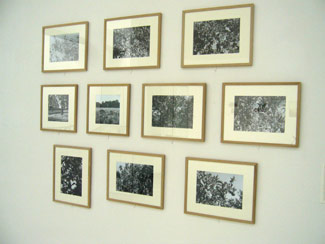
MUSEUM OF SOUTH-EAST MORAVIA IN ZLÍN, H+Z ARCHIVES, PHOTOGRAPHS, ALGERIA, LIBYA, 1947, (reproductions)
This set of pictures by the duo of explorers Hanzelka and Zikmund was re-created by developing photographs from original negatives and contains material from their first expedition. The photographs are complete with captions by Miroslav Zikmund with precise dating and locations. In 1995, Miroslav Zikmund and Jiří Hanzelka handed over their extensive archives to the Museum of South-east Moravia in Zlín where the H + Z Archives were established in order to preserve the results of their exploratory work and to make it available to researchers. A permanent exhibition called With Hanzelka and Zikmund through Five Continents was installed. Hanzelka and Zikmund undertook two extended travelling expeditions. During the first one, between 1947 – 1950, they drove round Africa, South and Central America in a standard off-the-production-belt Czechoslovak car, a Tatra 87. The second expedition, taking place between 1959 – 1964, in two prototypes of the off-road car Tatra 805 customized for the trip, took them through several countries in the Middle East, the monsoon Asia, Indonesian and Japanese islands and most of the Asian part of Soviet Russia. During their travels they produced hundreds of reports for the press and radio, dozens of short documentary films, several feature films and tens of thousands of photographs. In the 1950’s and 1960’s they co-wrote ten voluminous travelogues of high literary quality each selling in hundreds of thousands copies (the eleventh title ready for print in 1969, could not be published until 1990). Their documentary feature films (Africa I., Africa II., From Argentina to Mexico) topped the box-office charts immediately after their introduction in the Czechoslovak cinemas.
Photographs on display, taken in 1947:
– Almond tree, detail of branches with fruits, Tripolitania, Libya
– Almond tree, crown, Tripolitania, Libya
– Almond tree, detail of ripening fruit, Tripolitania, Libya
– Orange, small fruits, Tripolitania, Libya
– Orange, larger fruits, Tripolitania, Libya
– Ripening oranges, Tripolitania, Libya
– Fruit of a grapefruit tree, Tripolitania, Libya
– Fruit of an eggplant, Tripolitania, Libya
– Pig breeding, Algiers, Algeria
– Cork drying (view of the whole tree), Algiers, Algeria
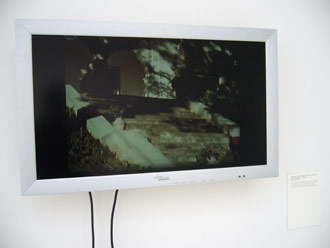
NATIONAL MUSEUM IN PRAGUE, ARCHIVES, 1943–1944, EGYPT AND MOROCCO, 8 mm FILM (edited version)
From the works by the Army Film Group, deposited in the Edvard Beneš files in the National Museum Archives. The original film captures part of the journey of Edvard Beneš in 1943 to the Soviet Union, within the Cairo –Habbaniyah – Baghdad – Teheran – Mozdok – Stalingrad section and part of the return journey at the beginning of 1944 (Marrakech).
From the works by the Army Film Group, deposited in the Edvard Beneš files in the National Museum Archives. The original film captures part of the journey of Edvard Beneš in 1943 to the Soviet Union, within the Cairo –Habbaniyah – Baghdad – Teheran – Mozdok – Stalingrad section and part of the return journey at the beginning of 1944 (Marrakech).
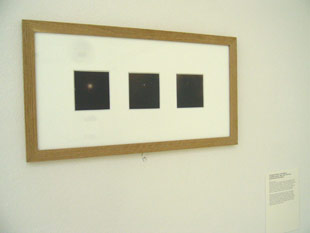
RICHARD ŠTORCH, PHOTOGRAPH, 1905, LIBYA, TRIPOLI (reproduction)
Accompanying text:
The total eclipse of the sun in Tripoli, morning of the 30th August, 1905. A great uproar among Tripoli natives was caused by the news of the approaching eclipse of the sun. Many families, especially Jews, stocked up with food and barricaded themselves in their homes. A Turkish army doctor, succumbing to fear, descended into a rainwater cistern and was found by his neighbours on the following day after the pandemonium had died down and he was pulled out into the daylight.>
The picture was taken during Štorch’s sojourn in Africa to which he had set out with his friend Bedřich Machulka in 1898. Apart from photography Štorch also collected ethnographic material in Africa and from 1908 worked as a guide for hunting parties. In 1911 he led the scientific expedition of the architect Kmunke from Mombasa to Cairo from which most of his photographic documentation originated. This was later used in the series of lectures which he organized in a number of towns throughout Bohemia after his return.
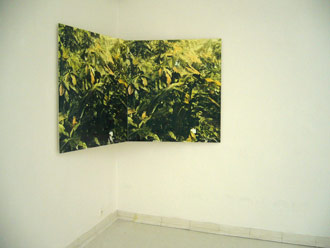
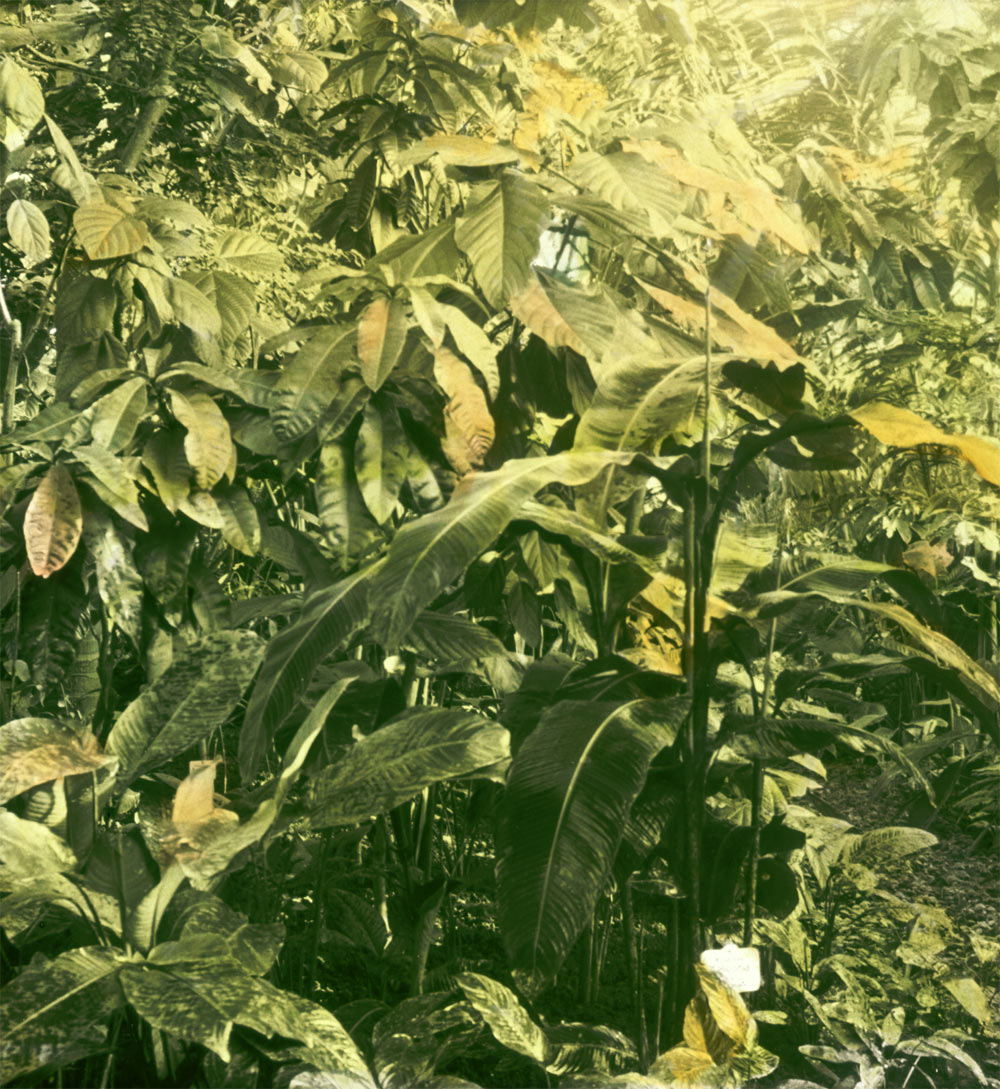
TECHNICAL MUSEUM, BRNO, STEREOGRAPHS, 19th/20th CENTURY, EGYPT
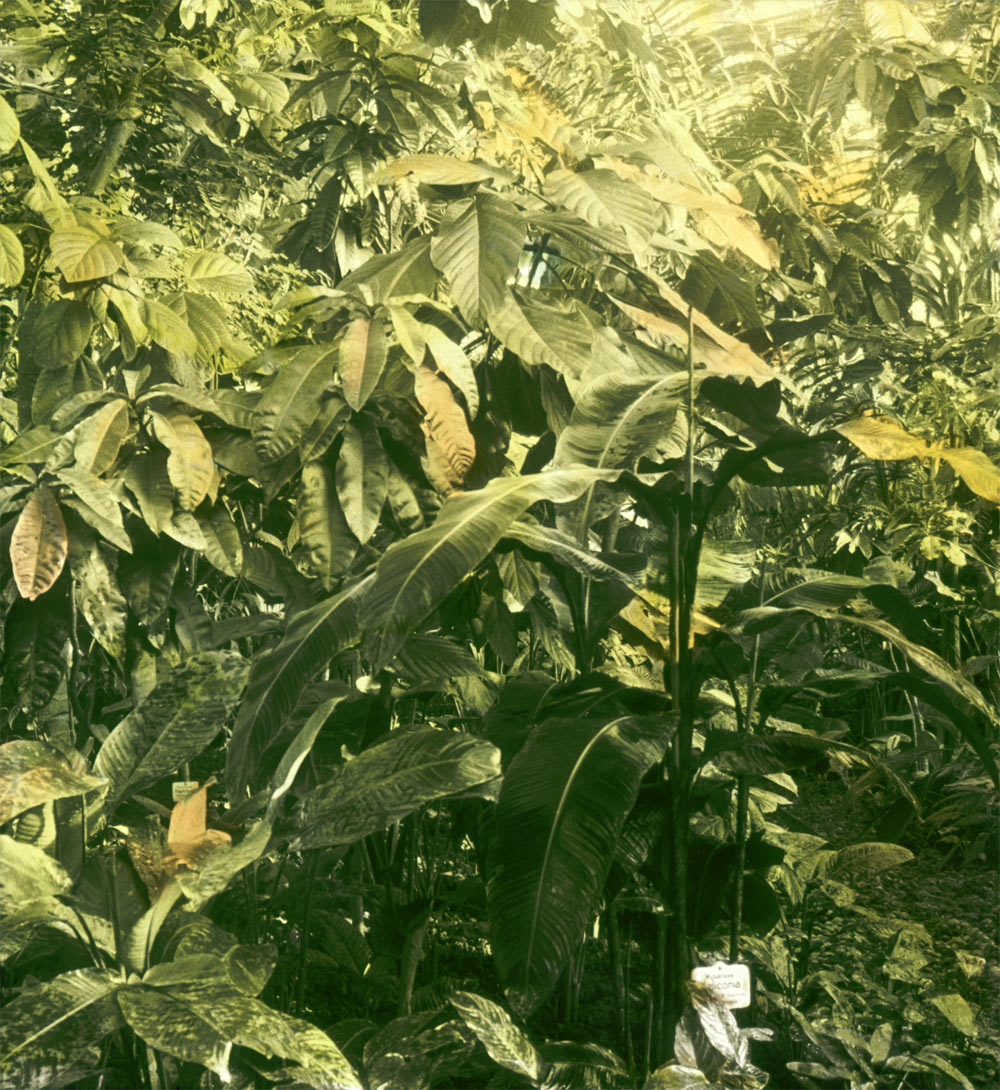
– Cairo – botanical garden, banana trees, Egypt (digital print 1x2 m)
The stereoscopic photographs found their way to the Brno Technical Museum in 1965 as part of the legacy of Mrs. Josefa Lusková, who ran a “panorama” in Brno (in Brandlova St.) ulici), first with her husband and later, as a widow, until her death. Being childless and having a business licence issued only in her name for a period "while alive", she made an agreement with the museum to take over the panorama when she died. The Technical Museum owns 6 pictures from Algeria, 83 from Egypt, 13 from Morocco and one from Tunisia. Since 1966 the stereographs and the viewing instrument for 25 viewers are part of the collections accessible to the public in a separate permanent exhibition.
The selected pictures, unfortunately, bear no mark of the studio nor a serial number enabling us to determine the producer. Sometimes the date of taking the pictures can be estimated based on period fashion or means of transport, however, in natural scenery the only remaining guide is the technique used – photograph on glass pinpointing it roughly to the beginning of the 20th century.
These and similar stereographs were made by some photographic studios en mass, usually in thematic series of 30 or 50 pieces. They were bought by people for private viewing at home, school and by owners of the so-called panoramas (stereoscopes for 1 - 25 viewers), with paid-for viewing. There were also businesses with a lending service providing series of stereographs to panorama owners – such as Merkuria in Přerov.
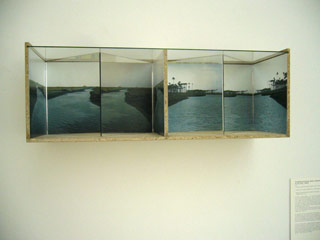
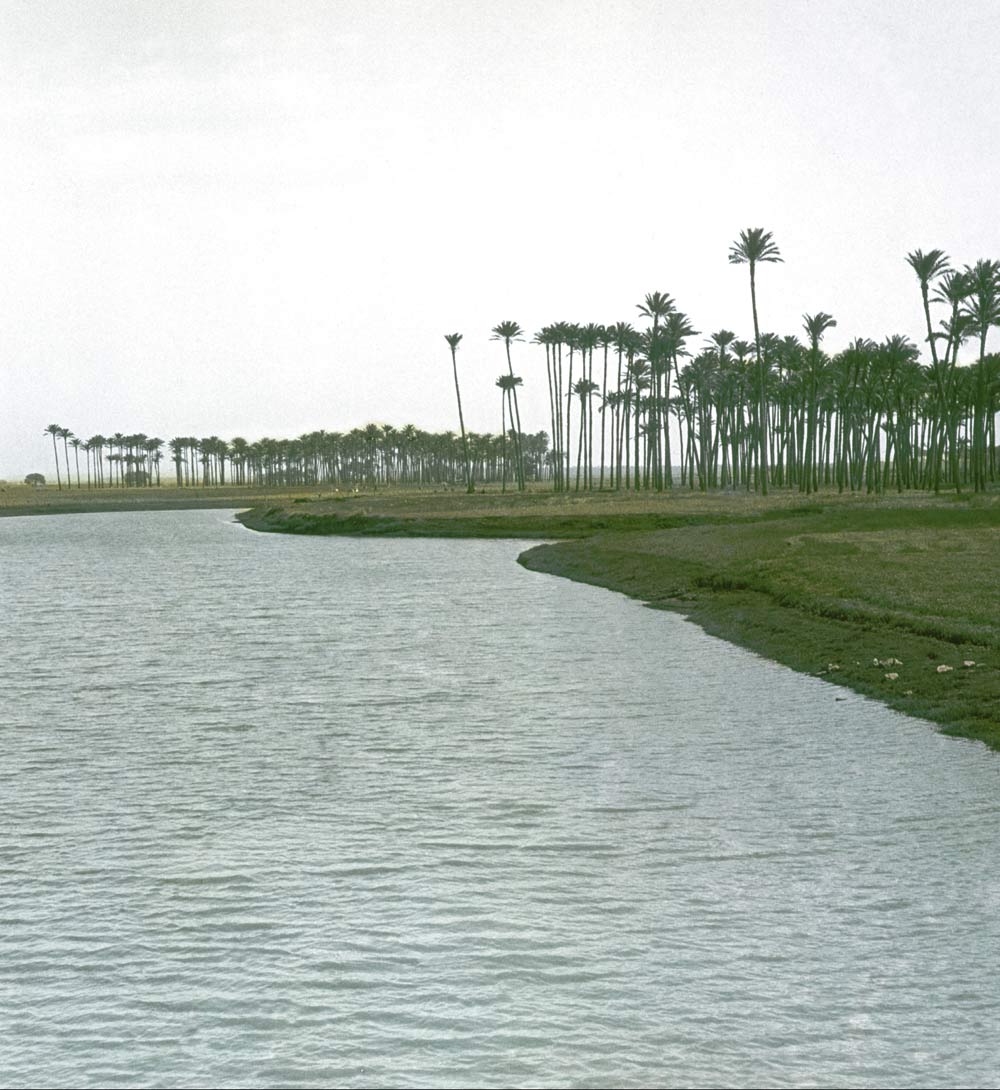
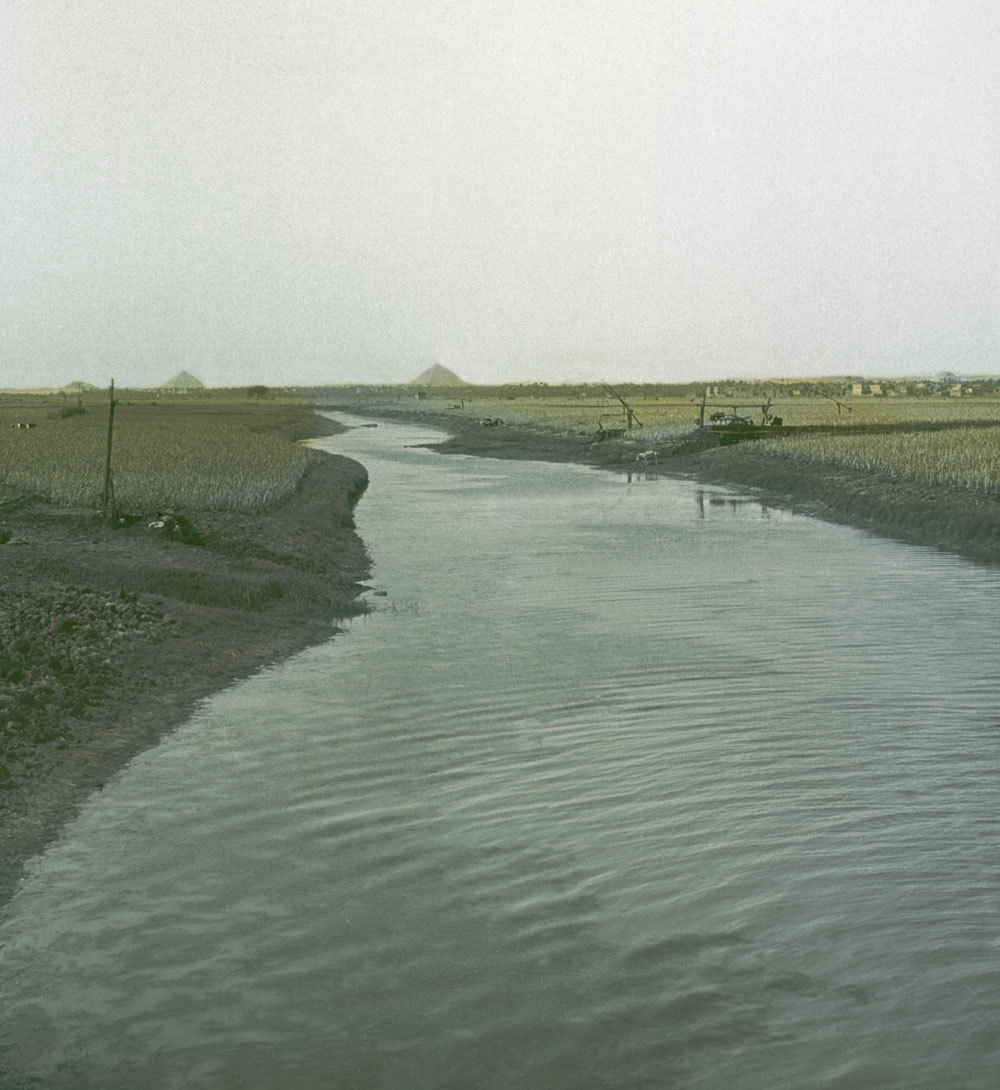
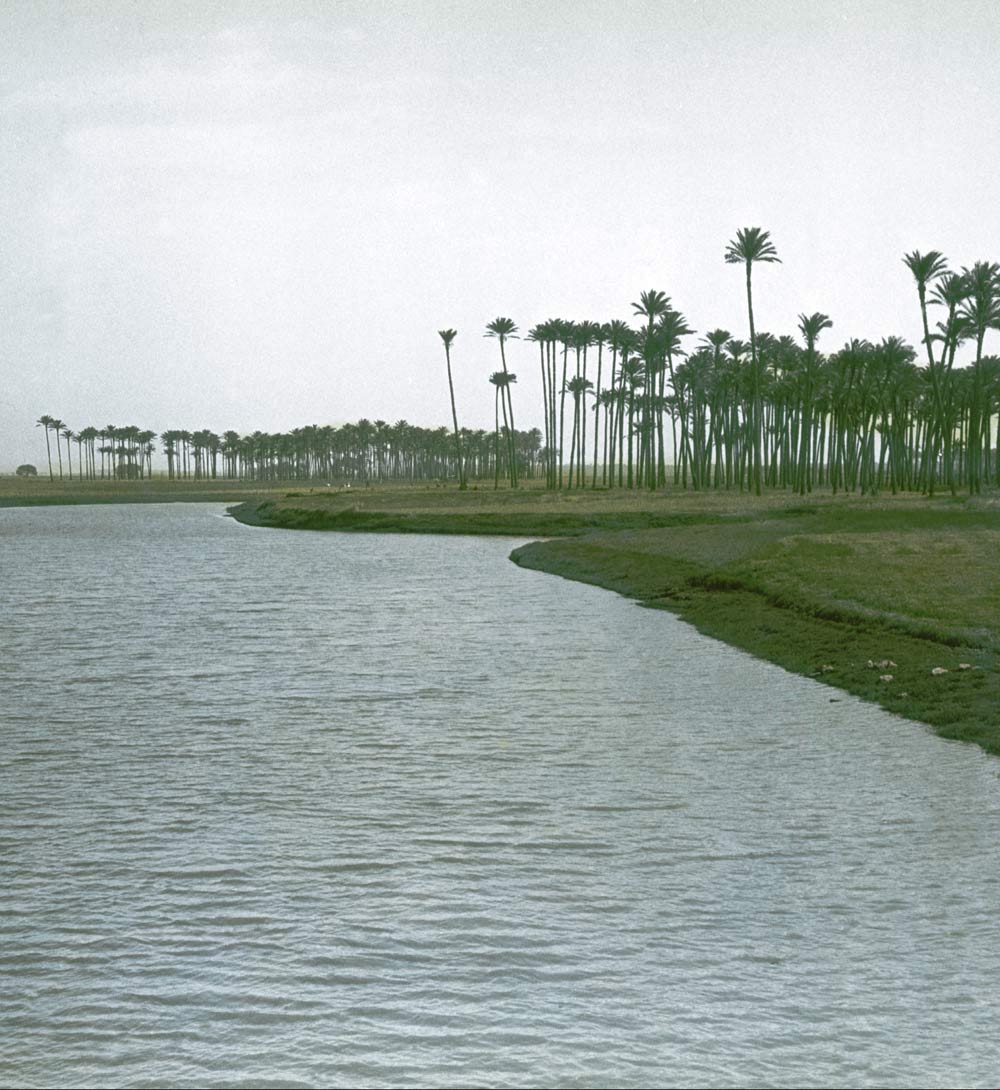
TECHNICAL MUSEUM, BRNO, STEREOGRAPHS, 19th/20th CENTURY, EGYPT
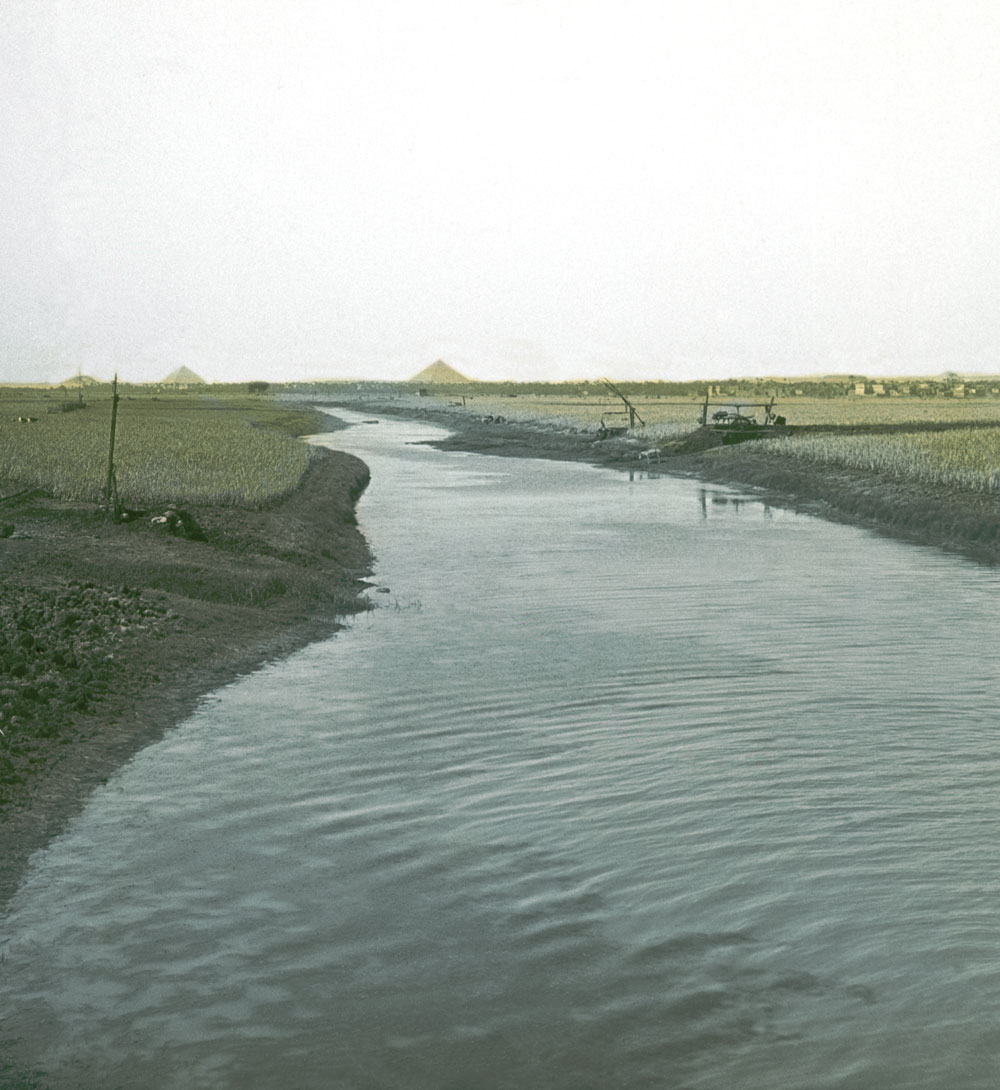
– Branch of the Nile, Egypt (digital print, 3D stereoscope)
The stereoscopic photographs found their way to the Brno Technical Museum in 1965 as part of the legacy of Mrs. Josefa Lusková, who ran a “panorama” in Brno (in Brandlova St.) ulici), first with her husband and later, as a widow, until her death. Being childless and having a business licence issued only in her name for a period "while alive", she made an agreement with the museum to take over the panorama when she died. The Technical Museum owns 6 pictures from Algeria, 83 from Egypt, 13 from Morocco and one from Tunisia. Since 1966 the stereographs and the viewing instrument for 25 viewers are part of the collections accessible to the public in a separate permanent exhibition.
The selected pictures, unfortunately, bear no mark of the studio nor a serial number enabling us to determine the producer. Sometimes the date of taking the pictures can be estimated based on period fashion or means of transport, however, in natural scenery the only remaining guide is the technique used – photograph on glass pinpointing it roughly to the beginning of the 20th century.
These and similar stereographs were made by some photographic studios en mass, usually in thematic series of 30 or 50 pieces. They were bought by people for private viewing at home, school and by owners of the so-called panoramas (stereoscopes for 1 - 25 viewers), with paid-for viewing. There were also businesses with a lending service providing series of stereographs to panorama owners – such as Merkuria in Přerov.
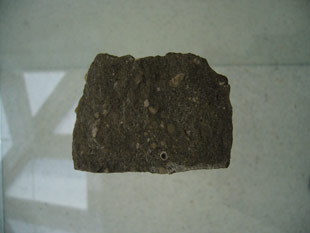
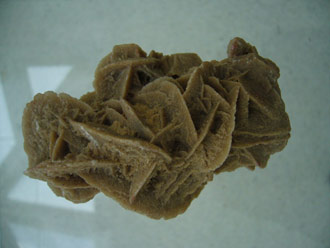
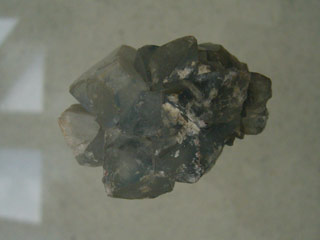
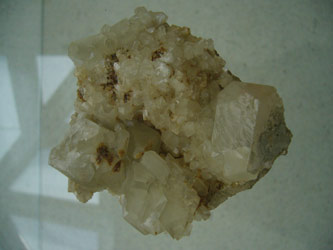
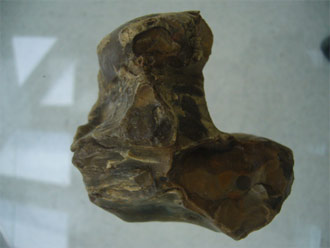
NATIONAL MUSEUM, MINERALOGY, 1835–1926, ALGERIA, EGYPT, TUNIS
The mineralogical collection of the Natural History Museum – National Museum in Prague contains almost 1 000 items, originating mainly from Libya, but also Morocco, Algeria, Egypt, and some from Tunisia. In general, they are quartz materials, gypsum, celestite or vanadinite, with fewer specimens of ore minerals yielding Fe, Mn, Pb, Ag (such as galenite, hematite, pyrolusite or pure silver). Ten specimens are on display in this exhibition.
– Nadorite: crystals in a hollow, Djebel Nador region, Constantine province, Algeria, donated in 1902 by dr. V. Wraný of Prague, a doctor, natural scientist and mineral collector
– Senarmontite: solid aggregate, Minime region near Guelmo, SE from Constantine, Algeria, purchased in 1866 from A. Krantz Co in Bonn, which still trades in minerals today
– Three specimens of jasper and a flint from the Libyan desert, Egypt, acquired in 1835 by exchange from F.W. Sieber, Prague
– Celestite: crystals, Vadi-el-Tih region, Djebel Mokatam, Egypt, bought in 1938 by V. Friče, whose company trading in minerals was based in Prague near the National Theatre, the second specimen of celestite – crystals, Djebel Bezina-Mateur region, SSW of Bizerta, Tunisia, donated in 1909 by dr. F. Slavík, professor of mineralogy at the Prague university and an important patron of the National Museum’s collections
– Gypsum: from the desert, Oued Souf region, Biskra-Ouargla, NE Algeria, donated in 1908 to the museum by dr. F. Slavík
– Phosphorite: Kalaa Djerda region, central Tunisia, donated in 1926 by dr. F. Slavík
NATIONAL MUSEUM, MINERALOGY, 1835–1926, ALGERIA, EGYPT, TUNIS
The mineralogical collection of the Natural History Museum – National Museum in Prague contains almost 1 000 items, originating mainly from Libya, but also Morocco, Algeria, Egypt, and some from Tunisia. In general, they are quartz materials, gypsum, celestite or vanadinite, with fewer specimens of ore minerals yielding Fe, Mn, Pb, Ag (such as galenite, hematite, pyrolusite or pure silver). Ten specimens are on display in this exhibition.
– Nadorite: crystals in a hollow, Djebel Nador region, Constantine province, Algeria, donated in 1902 by dr. V. Wraný of Prague, a doctor, natural scientist and mineral collector
– Senarmontite: solid aggregate, Minime region near Guelmo, SE from Constantine, Algeria, purchased in 1866 from A. Krantz Co in Bonn, which still trades in minerals today
– Three specimens of jasper and a flint from the Libyan desert, Egypt, acquired in 1835 by exchange from F.W. Sieber, Prague
– Celestite: crystals, Vadi-el-Tih region, Djebel Mokatam, Egypt, bought in 1938 by V. Friče, whose company trading in minerals was based in Prague near the National Theatre, the second specimen of celestite – crystals, Djebel Bezina-Mateur region, SSW of Bizerta, Tunisia, donated in 1909 by dr. F. Slavík, professor of mineralogy at the Prague university and an important patron of the National Museum’s collections
– Gypsum: from the desert, Oued Souf region, Biskra-Ouargla, NE Algeria, donated in 1908 to the museum by dr. F. Slavík
– Phosphorite: Kalaa Djerda region, central Tunisia, donated in 1926 by dr. F. Slavík
The mineralogical collection of the Natural History Museum – National Museum in Prague contains almost 1 000 items, originating mainly from Libya, but also Morocco, Algeria, Egypt, and some from Tunisia. In general, they are quartz materials, gypsum, celestite or vanadinite, with fewer specimens of ore minerals yielding Fe, Mn, Pb, Ag (such as galenite, hematite, pyrolusite or pure silver). Ten specimens are on display in this exhibition.
– Nadorite: crystals in a hollow, Djebel Nador region, Constantine province, Algeria, donated in 1902 by dr. V. Wraný of Prague, a doctor, natural scientist and mineral collector
– Senarmontite: solid aggregate, Minime region near Guelmo, SE from Constantine, Algeria, purchased in 1866 from A. Krantz Co in Bonn, which still trades in minerals today
– Three specimens of jasper and a flint from the Libyan desert, Egypt, acquired in 1835 by exchange from F.W. Sieber, Prague
– Celestite: crystals, Vadi-el-Tih region, Djebel Mokatam, Egypt, bought in 1938 by V. Friče, whose company trading in minerals was based in Prague near the National Theatre, the second specimen of celestite – crystals, Djebel Bezina-Mateur region, SSW of Bizerta, Tunisia, donated in 1909 by dr. F. Slavík, professor of mineralogy at the Prague university and an important patron of the National Museum’s collections
– Gypsum: from the desert, Oued Souf region, Biskra-Ouargla, NE Algeria, donated in 1908 to the museum by dr. F. Slavík
– Phosphorite: Kalaa Djerda region, central Tunisia, donated in 1926 by dr. F. Slavík
NATIONAL MUSEUM, MINERALOGY, 1835–1926, ALGERIA, EGYPT, TUNIS
The mineralogical collection of the Natural History Museum – National Museum in Prague contains almost 1 000 items, originating mainly from Libya, but also Morocco, Algeria, Egypt, and some from Tunisia. In general, they are quartz materials, gypsum, celestite or vanadinite, with fewer specimens of ore minerals yielding Fe, Mn, Pb, Ag (such as galenite, hematite, pyrolusite or pure silver). Ten specimens are on display in this exhibition.
– Nadorite: crystals in a hollow, Djebel Nador region, Constantine province, Algeria, donated in 1902 by dr. V. Wraný of Prague, a doctor, natural scientist and mineral collector
– Senarmontite: solid aggregate, Minime region near Guelmo, SE from Constantine, Algeria, purchased in 1866 from A. Krantz Co in Bonn, which still trades in minerals today
– Three specimens of jasper and a flint from the Libyan desert, Egypt, acquired in 1835 by exchange from F.W. Sieber, Prague
– Celestite: crystals, Vadi-el-Tih region, Djebel Mokatam, Egypt, bought in 1938 by V. Friče, whose company trading in minerals was based in Prague near the National Theatre, the second specimen of celestite – crystals, Djebel Bezina-Mateur region, SSW of Bizerta, Tunisia, donated in 1909 by dr. F. Slavík, professor of mineralogy at the Prague university and an important patron of the National Museum’s collections
– Gypsum: from the desert, Oued Souf region, Biskra-Ouargla, NE Algeria, donated in 1908 to the museum by dr. F. Slavík
– Phosphorite: Kalaa Djerda region, central Tunisia, donated in 1926 by dr. F. Slavík
The mineralogical collection of the Natural History Museum – National Museum in Prague contains almost 1 000 items, originating mainly from Libya, but also Morocco, Algeria, Egypt, and some from Tunisia. In general, they are quartz materials, gypsum, celestite or vanadinite, with fewer specimens of ore minerals yielding Fe, Mn, Pb, Ag (such as galenite, hematite, pyrolusite or pure silver). Ten specimens are on display in this exhibition.
– Nadorite: crystals in a hollow, Djebel Nador region, Constantine province, Algeria, donated in 1902 by dr. V. Wraný of Prague, a doctor, natural scientist and mineral collector
– Senarmontite: solid aggregate, Minime region near Guelmo, SE from Constantine, Algeria, purchased in 1866 from A. Krantz Co in Bonn, which still trades in minerals today
– Three specimens of jasper and a flint from the Libyan desert, Egypt, acquired in 1835 by exchange from F.W. Sieber, Prague
– Celestite: crystals, Vadi-el-Tih region, Djebel Mokatam, Egypt, bought in 1938 by V. Friče, whose company trading in minerals was based in Prague near the National Theatre, the second specimen of celestite – crystals, Djebel Bezina-Mateur region, SSW of Bizerta, Tunisia, donated in 1909 by dr. F. Slavík, professor of mineralogy at the Prague university and an important patron of the National Museum’s collections
– Gypsum: from the desert, Oued Souf region, Biskra-Ouargla, NE Algeria, donated in 1908 to the museum by dr. F. Slavík
– Phosphorite: Kalaa Djerda region, central Tunisia, donated in 1926 by dr. F. Slavík
NATIONAL MUSEUM, MINERALOGY, 1835–1926, ALGERIA, EGYPT, TUNIS
The mineralogical collection of the Natural History Museum – National Museum in Prague contains almost 1 000 items, originating mainly from Libya, but also Morocco, Algeria, Egypt, and some from Tunisia. In general, they are quartz materials, gypsum, celestite or vanadinite, with fewer specimens of ore minerals yielding Fe, Mn, Pb, Ag (such as galenite, hematite, pyrolusite or pure silver). Ten specimens are on display in this exhibition.
– Nadorite: crystals in a hollow, Djebel Nador region, Constantine province, Algeria, donated in 1902 by dr. V. Wraný of Prague, a doctor, natural scientist and mineral collector
– Senarmontite: solid aggregate, Minime region near Guelmo, SE from Constantine, Algeria, purchased in 1866 from A. Krantz Co in Bonn, which still trades in minerals today
– Three specimens of jasper and a flint from the Libyan desert, Egypt, acquired in 1835 by exchange from F.W. Sieber, Prague
– Celestite: crystals, Vadi-el-Tih region, Djebel Mokatam, Egypt, bought in 1938 by V. Friče, whose company trading in minerals was based in Prague near the National Theatre, the second specimen of celestite – crystals, Djebel Bezina-Mateur region, SSW of Bizerta, Tunisia, donated in 1909 by dr. F. Slavík, professor of mineralogy at the Prague university and an important patron of the National Museum’s collections
– Gypsum: from the desert, Oued Souf region, Biskra-Ouargla, NE Algeria, donated in 1908 to the museum by dr. F. Slavík
– Phosphorite: Kalaa Djerda region, central Tunisia, donated in 1926 by dr. F. Slavík
The mineralogical collection of the Natural History Museum – National Museum in Prague contains almost 1 000 items, originating mainly from Libya, but also Morocco, Algeria, Egypt, and some from Tunisia. In general, they are quartz materials, gypsum, celestite or vanadinite, with fewer specimens of ore minerals yielding Fe, Mn, Pb, Ag (such as galenite, hematite, pyrolusite or pure silver). Ten specimens are on display in this exhibition.
– Nadorite: crystals in a hollow, Djebel Nador region, Constantine province, Algeria, donated in 1902 by dr. V. Wraný of Prague, a doctor, natural scientist and mineral collector
– Senarmontite: solid aggregate, Minime region near Guelmo, SE from Constantine, Algeria, purchased in 1866 from A. Krantz Co in Bonn, which still trades in minerals today
– Three specimens of jasper and a flint from the Libyan desert, Egypt, acquired in 1835 by exchange from F.W. Sieber, Prague
– Celestite: crystals, Vadi-el-Tih region, Djebel Mokatam, Egypt, bought in 1938 by V. Friče, whose company trading in minerals was based in Prague near the National Theatre, the second specimen of celestite – crystals, Djebel Bezina-Mateur region, SSW of Bizerta, Tunisia, donated in 1909 by dr. F. Slavík, professor of mineralogy at the Prague university and an important patron of the National Museum’s collections
– Gypsum: from the desert, Oued Souf region, Biskra-Ouargla, NE Algeria, donated in 1908 to the museum by dr. F. Slavík
– Phosphorite: Kalaa Djerda region, central Tunisia, donated in 1926 by dr. F. Slavík
NATIONAL MUSEUM, MINERALOGY, 1835–1926, ALGERIA, EGYPT, TUNIS
The mineralogical collection of the Natural History Museum – National Museum in Prague contains almost 1 000 items, originating mainly from Libya, but also Morocco, Algeria, Egypt, and some from Tunisia. In general, they are quartz materials, gypsum, celestite or vanadinite, with fewer specimens of ore minerals yielding Fe, Mn, Pb, Ag (such as galenite, hematite, pyrolusite or pure silver). Ten specimens are on display in this exhibition.
– Nadorite: crystals in a hollow, Djebel Nador region, Constantine province, Algeria, donated in 1902 by dr. V. Wraný of Prague, a doctor, natural scientist and mineral collector
– Senarmontite: solid aggregate, Minime region near Guelmo, SE from Constantine, Algeria, purchased in 1866 from A. Krantz Co in Bonn, which still trades in minerals today
– Three specimens of jasper and a flint from the Libyan desert, Egypt, acquired in 1835 by exchange from F.W. Sieber, Prague
– Celestite: crystals, Vadi-el-Tih region, Djebel Mokatam, Egypt, bought in 1938 by V. Friče, whose company trading in minerals was based in Prague near the National Theatre, the second specimen of celestite – crystals, Djebel Bezina-Mateur region, SSW of Bizerta, Tunisia, donated in 1909 by dr. F. Slavík, professor of mineralogy at the Prague university and an important patron of the National Museum’s collections
– Gypsum: from the desert, Oued Souf region, Biskra-Ouargla, NE Algeria, donated in 1908 to the museum by dr. F. Slavík
– Phosphorite: Kalaa Djerda region, central Tunisia, donated in 1926 by dr. F. Slavík
The mineralogical collection of the Natural History Museum – National Museum in Prague contains almost 1 000 items, originating mainly from Libya, but also Morocco, Algeria, Egypt, and some from Tunisia. In general, they are quartz materials, gypsum, celestite or vanadinite, with fewer specimens of ore minerals yielding Fe, Mn, Pb, Ag (such as galenite, hematite, pyrolusite or pure silver). Ten specimens are on display in this exhibition.
– Nadorite: crystals in a hollow, Djebel Nador region, Constantine province, Algeria, donated in 1902 by dr. V. Wraný of Prague, a doctor, natural scientist and mineral collector
– Senarmontite: solid aggregate, Minime region near Guelmo, SE from Constantine, Algeria, purchased in 1866 from A. Krantz Co in Bonn, which still trades in minerals today
– Three specimens of jasper and a flint from the Libyan desert, Egypt, acquired in 1835 by exchange from F.W. Sieber, Prague
– Celestite: crystals, Vadi-el-Tih region, Djebel Mokatam, Egypt, bought in 1938 by V. Friče, whose company trading in minerals was based in Prague near the National Theatre, the second specimen of celestite – crystals, Djebel Bezina-Mateur region, SSW of Bizerta, Tunisia, donated in 1909 by dr. F. Slavík, professor of mineralogy at the Prague university and an important patron of the National Museum’s collections
– Gypsum: from the desert, Oued Souf region, Biskra-Ouargla, NE Algeria, donated in 1908 to the museum by dr. F. Slavík
– Phosphorite: Kalaa Djerda region, central Tunisia, donated in 1926 by dr. F. Slavík
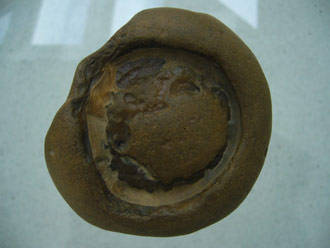
NATIONAL MUSEUM, MINERALOGY, 1835–1926, ALGERIA, EGYPT, TUNIS
The mineralogical collection of the Natural History Museum – National Museum in Prague contains almost 1 000 items, originating mainly from Libya, but also Morocco, Algeria, Egypt, and some from Tunisia. In general, they are quartz materials, gypsum, celestite or vanadinite, with fewer specimens of ore minerals yielding Fe, Mn, Pb, Ag (such as galenite, hematite, pyrolusite or pure silver). Ten specimens are on display in this exhibition.
– Nadorite: crystals in a hollow, Djebel Nador region, Constantine province, Algeria, donated in 1902 by dr. V. Wraný of Prague, a doctor, natural scientist and mineral collector
– Senarmontite: solid aggregate, Minime region near Guelmo, SE from Constantine, Algeria, purchased in 1866 from A. Krantz Co in Bonn, which still trades in minerals today
– Three specimens of jasper and a flint from the Libyan desert, Egypt, acquired in 1835 by exchange from F.W. Sieber, Prague
– Celestite: crystals, Vadi-el-Tih region, Djebel Mokatam, Egypt, bought in 1938 by V. Friče, whose company trading in minerals was based in Prague near the National Theatre, the second specimen of celestite – crystals, Djebel Bezina-Mateur region, SSW of Bizerta, Tunisia, donated in 1909 by dr. F. Slavík, professor of mineralogy at the Prague university and an important patron of the National Museum’s collections
– Gypsum: from the desert, Oued Souf region, Biskra-Ouargla, NE Algeria, donated in 1908 to the museum by dr. F. Slavík
– Phosphorite: Kalaa Djerda region, central Tunisia, donated in 1926 by dr. F. Slavík
The mineralogical collection of the Natural History Museum – National Museum in Prague contains almost 1 000 items, originating mainly from Libya, but also Morocco, Algeria, Egypt, and some from Tunisia. In general, they are quartz materials, gypsum, celestite or vanadinite, with fewer specimens of ore minerals yielding Fe, Mn, Pb, Ag (such as galenite, hematite, pyrolusite or pure silver). Ten specimens are on display in this exhibition.
– Nadorite: crystals in a hollow, Djebel Nador region, Constantine province, Algeria, donated in 1902 by dr. V. Wraný of Prague, a doctor, natural scientist and mineral collector
– Senarmontite: solid aggregate, Minime region near Guelmo, SE from Constantine, Algeria, purchased in 1866 from A. Krantz Co in Bonn, which still trades in minerals today
– Three specimens of jasper and a flint from the Libyan desert, Egypt, acquired in 1835 by exchange from F.W. Sieber, Prague
– Celestite: crystals, Vadi-el-Tih region, Djebel Mokatam, Egypt, bought in 1938 by V. Friče, whose company trading in minerals was based in Prague near the National Theatre, the second specimen of celestite – crystals, Djebel Bezina-Mateur region, SSW of Bizerta, Tunisia, donated in 1909 by dr. F. Slavík, professor of mineralogy at the Prague university and an important patron of the National Museum’s collections
– Gypsum: from the desert, Oued Souf region, Biskra-Ouargla, NE Algeria, donated in 1908 to the museum by dr. F. Slavík
– Phosphorite: Kalaa Djerda region, central Tunisia, donated in 1926 by dr. F. Slavík
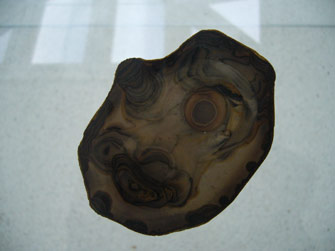
NATIONAL MUSEUM, MINERALOGY, 1835–1926, ALGERIA, EGYPT, TUNIS
The mineralogical collection of the Natural History Museum – National Museum in Prague contains almost 1 000 items, originating mainly from Libya, but also Morocco, Algeria, Egypt, and some from Tunisia. In general, they are quartz materials, gypsum, celestite or vanadinite, with fewer specimens of ore minerals yielding Fe, Mn, Pb, Ag (such as galenite, hematite, pyrolusite or pure silver). Ten specimens are on display in this exhibition.
– Nadorite: crystals in a hollow, Djebel Nador region, Constantine province, Algeria, donated in 1902 by dr. V. Wraný of Prague, a doctor, natural scientist and mineral collector
– Senarmontite: solid aggregate, Minime region near Guelmo, SE from Constantine, Algeria, purchased in 1866 from A. Krantz Co in Bonn, which still trades in minerals today
– Three specimens of jasper and a flint from the Libyan desert, Egypt, acquired in 1835 by exchange from F.W. Sieber, Prague
– Celestite: crystals, Vadi-el-Tih region, Djebel Mokatam, Egypt, bought in 1938 by V. Friče, whose company trading in minerals was based in Prague near the National Theatre, the second specimen of celestite – crystals, Djebel Bezina-Mateur region, SSW of Bizerta, Tunisia, donated in 1909 by dr. F. Slavík, professor of mineralogy at the Prague university and an important patron of the National Museum’s collections
– Gypsum: from the desert, Oued Souf region, Biskra-Ouargla, NE Algeria, donated in 1908 to the museum by dr. F. Slavík
– Phosphorite: Kalaa Djerda region, central Tunisia, donated in 1926 by dr. F. Slavík
The mineralogical collection of the Natural History Museum – National Museum in Prague contains almost 1 000 items, originating mainly from Libya, but also Morocco, Algeria, Egypt, and some from Tunisia. In general, they are quartz materials, gypsum, celestite or vanadinite, with fewer specimens of ore minerals yielding Fe, Mn, Pb, Ag (such as galenite, hematite, pyrolusite or pure silver). Ten specimens are on display in this exhibition.
– Nadorite: crystals in a hollow, Djebel Nador region, Constantine province, Algeria, donated in 1902 by dr. V. Wraný of Prague, a doctor, natural scientist and mineral collector
– Senarmontite: solid aggregate, Minime region near Guelmo, SE from Constantine, Algeria, purchased in 1866 from A. Krantz Co in Bonn, which still trades in minerals today
– Three specimens of jasper and a flint from the Libyan desert, Egypt, acquired in 1835 by exchange from F.W. Sieber, Prague
– Celestite: crystals, Vadi-el-Tih region, Djebel Mokatam, Egypt, bought in 1938 by V. Friče, whose company trading in minerals was based in Prague near the National Theatre, the second specimen of celestite – crystals, Djebel Bezina-Mateur region, SSW of Bizerta, Tunisia, donated in 1909 by dr. F. Slavík, professor of mineralogy at the Prague university and an important patron of the National Museum’s collections
– Gypsum: from the desert, Oued Souf region, Biskra-Ouargla, NE Algeria, donated in 1908 to the museum by dr. F. Slavík
– Phosphorite: Kalaa Djerda region, central Tunisia, donated in 1926 by dr. F. Slavík
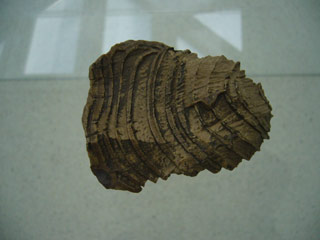
NATIONAL MUSEUM, MINERALOGY, 1835–1926, ALGERIA, EGYPT, TUNIS
The mineralogical collection of the Natural History Museum – National Museum in Prague contains almost 1 000 items, originating mainly from Libya, but also Morocco, Algeria, Egypt, and some from Tunisia. In general, they are quartz materials, gypsum, celestite or vanadinite, with fewer specimens of ore minerals yielding Fe, Mn, Pb, Ag (such as galenite, hematite, pyrolusite or pure silver). Ten specimens are on display in this exhibition.
– Nadorite: crystals in a hollow, Djebel Nador region, Constantine province, Algeria, donated in 1902 by dr. V. Wraný of Prague, a doctor, natural scientist and mineral collector
– Senarmontite: solid aggregate, Minime region near Guelmo, SE from Constantine, Algeria, purchased in 1866 from A. Krantz Co in Bonn, which still trades in minerals today
– Three specimens of jasper and a flint from the Libyan desert, Egypt, acquired in 1835 by exchange from F.W. Sieber, Prague
– Celestite: crystals, Vadi-el-Tih region, Djebel Mokatam, Egypt, bought in 1938 by V. Friče, whose company trading in minerals was based in Prague near the National Theatre, the second specimen of celestite – crystals, Djebel Bezina-Mateur region, SSW of Bizerta, Tunisia, donated in 1909 by dr. F. Slavík, professor of mineralogy at the Prague university and an important patron of the National Museum’s collections
– Gypsum: from the desert, Oued Souf region, Biskra-Ouargla, NE Algeria, donated in 1908 to the museum by dr. F. Slavík
– Phosphorite: Kalaa Djerda region, central Tunisia, donated in 1926 by dr. F. Slavík
The mineralogical collection of the Natural History Museum – National Museum in Prague contains almost 1 000 items, originating mainly from Libya, but also Morocco, Algeria, Egypt, and some from Tunisia. In general, they are quartz materials, gypsum, celestite or vanadinite, with fewer specimens of ore minerals yielding Fe, Mn, Pb, Ag (such as galenite, hematite, pyrolusite or pure silver). Ten specimens are on display in this exhibition.
– Nadorite: crystals in a hollow, Djebel Nador region, Constantine province, Algeria, donated in 1902 by dr. V. Wraný of Prague, a doctor, natural scientist and mineral collector
– Senarmontite: solid aggregate, Minime region near Guelmo, SE from Constantine, Algeria, purchased in 1866 from A. Krantz Co in Bonn, which still trades in minerals today
– Three specimens of jasper and a flint from the Libyan desert, Egypt, acquired in 1835 by exchange from F.W. Sieber, Prague
– Celestite: crystals, Vadi-el-Tih region, Djebel Mokatam, Egypt, bought in 1938 by V. Friče, whose company trading in minerals was based in Prague near the National Theatre, the second specimen of celestite – crystals, Djebel Bezina-Mateur region, SSW of Bizerta, Tunisia, donated in 1909 by dr. F. Slavík, professor of mineralogy at the Prague university and an important patron of the National Museum’s collections
– Gypsum: from the desert, Oued Souf region, Biskra-Ouargla, NE Algeria, donated in 1908 to the museum by dr. F. Slavík
– Phosphorite: Kalaa Djerda region, central Tunisia, donated in 1926 by dr. F. Slavík
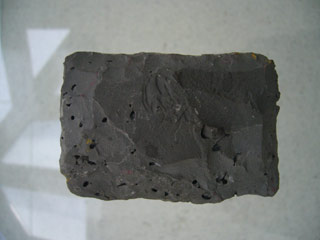
NATIONAL MUSEUM, MINERALOGY, 1835–1926, ALGERIA, EGYPT, TUNIS
The mineralogical collection of the Natural History Museum – National Museum in Prague contains almost 1 000 items, originating mainly from Libya, but also Morocco, Algeria, Egypt, and some from Tunisia. In general, they are quartz materials, gypsum, celestite or vanadinite, with fewer specimens of ore minerals yielding Fe, Mn, Pb, Ag (such as galenite, hematite, pyrolusite or pure silver). Ten specimens are on display in this exhibition.
– Nadorite: crystals in a hollow, Djebel Nador region, Constantine province, Algeria, donated in 1902 by dr. V. Wraný of Prague, a doctor, natural scientist and mineral collector
– Senarmontite: solid aggregate, Minime region near Guelmo, SE from Constantine, Algeria, purchased in 1866 from A. Krantz Co in Bonn, which still trades in minerals today
– Three specimens of jasper and a flint from the Libyan desert, Egypt, acquired in 1835 by exchange from F.W. Sieber, Prague
– Celestite: crystals, Vadi-el-Tih region, Djebel Mokatam, Egypt, bought in 1938 by V. Friče, whose company trading in minerals was based in Prague near the National Theatre, the second specimen of celestite – crystals, Djebel Bezina-Mateur region, SSW of Bizerta, Tunisia, donated in 1909 by dr. F. Slavík, professor of mineralogy at the Prague university and an important patron of the National Museum’s collections
– Gypsum: from the desert, Oued Souf region, Biskra-Ouargla, NE Algeria, donated in 1908 to the museum by dr. F. Slavík
– Phosphorite: Kalaa Djerda region, central Tunisia, donated in 1926 by dr. F. Slavík
The mineralogical collection of the Natural History Museum – National Museum in Prague contains almost 1 000 items, originating mainly from Libya, but also Morocco, Algeria, Egypt, and some from Tunisia. In general, they are quartz materials, gypsum, celestite or vanadinite, with fewer specimens of ore minerals yielding Fe, Mn, Pb, Ag (such as galenite, hematite, pyrolusite or pure silver). Ten specimens are on display in this exhibition.
– Nadorite: crystals in a hollow, Djebel Nador region, Constantine province, Algeria, donated in 1902 by dr. V. Wraný of Prague, a doctor, natural scientist and mineral collector
– Senarmontite: solid aggregate, Minime region near Guelmo, SE from Constantine, Algeria, purchased in 1866 from A. Krantz Co in Bonn, which still trades in minerals today
– Three specimens of jasper and a flint from the Libyan desert, Egypt, acquired in 1835 by exchange from F.W. Sieber, Prague
– Celestite: crystals, Vadi-el-Tih region, Djebel Mokatam, Egypt, bought in 1938 by V. Friče, whose company trading in minerals was based in Prague near the National Theatre, the second specimen of celestite – crystals, Djebel Bezina-Mateur region, SSW of Bizerta, Tunisia, donated in 1909 by dr. F. Slavík, professor of mineralogy at the Prague university and an important patron of the National Museum’s collections
– Gypsum: from the desert, Oued Souf region, Biskra-Ouargla, NE Algeria, donated in 1908 to the museum by dr. F. Slavík
– Phosphorite: Kalaa Djerda region, central Tunisia, donated in 1926 by dr. F. Slavík
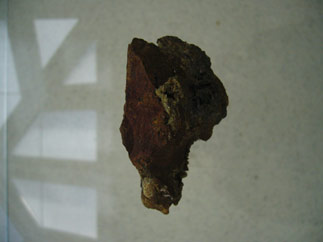
NATIONAL MUSEUM, MINERALOGY, 1835–1926, ALGERIA, EGYPT, TUNIS
The mineralogical collection of the Natural History Museum – National Museum in Prague contains almost 1 000 items, originating mainly from Libya, but also Morocco, Algeria, Egypt, and some from Tunisia. In general, they are quartz materials, gypsum, celestite or vanadinite, with fewer specimens of ore minerals yielding Fe, Mn, Pb, Ag (such as galenite, hematite, pyrolusite or pure silver). Ten specimens are on display in this exhibition.
– Nadorite: crystals in a hollow, Djebel Nador region, Constantine province, Algeria, donated in 1902 by dr. V. Wraný of Prague, a doctor, natural scientist and mineral collector
– Senarmontite: solid aggregate, Minime region near Guelmo, SE from Constantine, Algeria, purchased in 1866 from A. Krantz Co in Bonn, which still trades in minerals today
– Three specimens of jasper and a flint from the Libyan desert, Egypt, acquired in 1835 by exchange from F.W. Sieber, Prague
– Celestite: crystals, Vadi-el-Tih region, Djebel Mokatam, Egypt, bought in 1938 by V. Friče, whose company trading in minerals was based in Prague near the National Theatre, the second specimen of celestite – crystals, Djebel Bezina-Mateur region, SSW of Bizerta, Tunisia, donated in 1909 by dr. F. Slavík, professor of mineralogy at the Prague university and an important patron of the National Museum’s collections
– Gypsum: from the desert, Oued Souf region, Biskra-Ouargla, NE Algeria, donated in 1908 to the museum by dr. F. Slavík
– Phosphorite: Kalaa Djerda region, central Tunisia, donated in 1926 by dr. F. Slavík
The mineralogical collection of the Natural History Museum – National Museum in Prague contains almost 1 000 items, originating mainly from Libya, but also Morocco, Algeria, Egypt, and some from Tunisia. In general, they are quartz materials, gypsum, celestite or vanadinite, with fewer specimens of ore minerals yielding Fe, Mn, Pb, Ag (such as galenite, hematite, pyrolusite or pure silver). Ten specimens are on display in this exhibition.
– Nadorite: crystals in a hollow, Djebel Nador region, Constantine province, Algeria, donated in 1902 by dr. V. Wraný of Prague, a doctor, natural scientist and mineral collector
– Senarmontite: solid aggregate, Minime region near Guelmo, SE from Constantine, Algeria, purchased in 1866 from A. Krantz Co in Bonn, which still trades in minerals today
– Three specimens of jasper and a flint from the Libyan desert, Egypt, acquired in 1835 by exchange from F.W. Sieber, Prague
– Celestite: crystals, Vadi-el-Tih region, Djebel Mokatam, Egypt, bought in 1938 by V. Friče, whose company trading in minerals was based in Prague near the National Theatre, the second specimen of celestite – crystals, Djebel Bezina-Mateur region, SSW of Bizerta, Tunisia, donated in 1909 by dr. F. Slavík, professor of mineralogy at the Prague university and an important patron of the National Museum’s collections
– Gypsum: from the desert, Oued Souf region, Biskra-Ouargla, NE Algeria, donated in 1908 to the museum by dr. F. Slavík
– Phosphorite: Kalaa Djerda region, central Tunisia, donated in 1926 by dr. F. Slavík
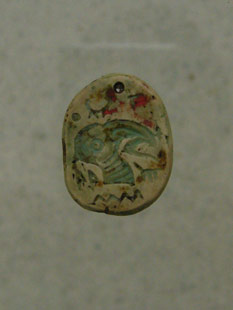
BUCHLOV CASTLE, ETNOGRAPHIC INSTITUTE, TEN AMULETS, EGYPT, BEGINNING OF 18th CENTURY
On loan from the complete collection of 31 stone amulets, consisting of stylized figures and tables with engraved inscriptions. The collection was put together during a period extending from the beginning of the 18th century to the 1930’s by the noble family of the Berchtolds of Uherčice on the Buchlov castle. Most of the specimens originate from their own travels through North Africa, Asia Minor and Europe. According to surviving documents, the exhibits on display, together with an Egyptian mummy (which can still be seen in the castle), were added to their museum in the Buchlov castle as a family gift by Lord Josef of Mitrovice,
On loan from the complete collection of 31 stone amulets, consisting of stylized figures and tables with engraved inscriptions. The collection was put together during a period extending from the beginning of the 18th century to the 1930’s by the noble family of the Berchtolds of Uherčice on the Buchlov castle. Most of the specimens originate from their own travels through North Africa, Asia Minor and Europe. According to surviving documents, the exhibits on display, together with an Egyptian mummy (which can still be seen in the castle), were added to their museum in the Buchlov castle as a family gift by Lord Josef of Mitrovice,
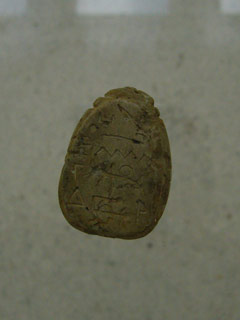
BUCHLOV CASTLE, ETNOGRAPHIC INSTITUTE, TEN AMULETS, EGYPT, BEGINNING OF 18th CENTURY
On loan from the complete collection of 31 stone amulets, consisting of stylized figures and tables with engraved inscriptions. The collection was put together during a period extending from the beginning of the 18th century to the 1930’s by the noble family of the Berchtolds of Uherčice on the Buchlov castle. Most of the specimens originate from their own travels through North Africa, Asia Minor and Europe. According to surviving documents, the exhibits on display, together with an Egyptian mummy (which can still be seen in the castle), were added to their museum in the Buchlov castle as a family gift by Lord Josef of Mitrovice,
On loan from the complete collection of 31 stone amulets, consisting of stylized figures and tables with engraved inscriptions. The collection was put together during a period extending from the beginning of the 18th century to the 1930’s by the noble family of the Berchtolds of Uherčice on the Buchlov castle. Most of the specimens originate from their own travels through North Africa, Asia Minor and Europe. According to surviving documents, the exhibits on display, together with an Egyptian mummy (which can still be seen in the castle), were added to their museum in the Buchlov castle as a family gift by Lord Josef of Mitrovice,
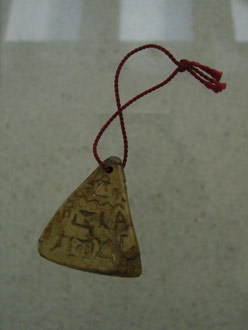
BUCHLOV CASTLE, ETNOGRAPHIC INSTITUTE, TEN AMULETS, EGYPT, BEGINNING OF 18th CENTURY
On loan from the complete collection of 31 stone amulets, consisting of stylized figures and tables with engraved inscriptions. The collection was put together during a period extending from the beginning of the 18th century to the 1930’s by the noble family of the Berchtolds of Uherčice on the Buchlov castle. Most of the specimens originate from their own travels through North Africa, Asia Minor and Europe. According to surviving documents, the exhibits on display, together with an Egyptian mummy (which can still be seen in the castle), were added to their museum in the Buchlov castle as a family gift by Lord Josef of Mitrovice,
On loan from the complete collection of 31 stone amulets, consisting of stylized figures and tables with engraved inscriptions. The collection was put together during a period extending from the beginning of the 18th century to the 1930’s by the noble family of the Berchtolds of Uherčice on the Buchlov castle. Most of the specimens originate from their own travels through North Africa, Asia Minor and Europe. According to surviving documents, the exhibits on display, together with an Egyptian mummy (which can still be seen in the castle), were added to their museum in the Buchlov castle as a family gift by Lord Josef of Mitrovice,
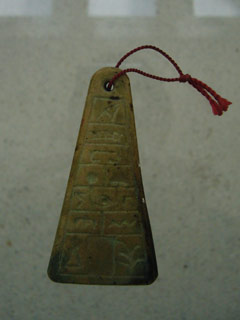
BUCHLOV CASTLE, ETNOGRAPHIC INSTITUTE, TEN AMULETS, EGYPT, BEGINNING OF 18th CENTURY
On loan from the complete collection of 31 stone amulets, consisting of stylized figures and tables with engraved inscriptions. The collection was put together during a period extending from the beginning of the 18th century to the 1930’s by the noble family of the Berchtolds of Uherčice on the Buchlov castle. Most of the specimens originate from their own travels through North Africa, Asia Minor and Europe. According to surviving documents, the exhibits on display, together with an Egyptian mummy (which can still be seen in the castle), were added to their museum in the Buchlov castle as a family gift by Lord Josef of Mitrovice,
On loan from the complete collection of 31 stone amulets, consisting of stylized figures and tables with engraved inscriptions. The collection was put together during a period extending from the beginning of the 18th century to the 1930’s by the noble family of the Berchtolds of Uherčice on the Buchlov castle. Most of the specimens originate from their own travels through North Africa, Asia Minor and Europe. According to surviving documents, the exhibits on display, together with an Egyptian mummy (which can still be seen in the castle), were added to their museum in the Buchlov castle as a family gift by Lord Josef of Mitrovice,
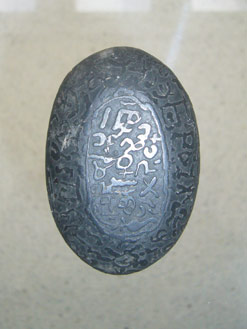
BUCHLOV CASTLE, ETNOGRAPHIC INSTITUTE, TEN AMULETS, EGYPT, BEGINNING OF 18th CENTURY
On loan from the complete collection of 31 stone amulets, consisting of stylized figures and tables with engraved inscriptions. The collection was put together during a period extending from the beginning of the 18th century to the 1930’s by the noble family of the Berchtolds of Uherčice on the Buchlov castle. Most of the specimens originate from their own travels through North Africa, Asia Minor and Europe. According to surviving documents, the exhibits on display, together with an Egyptian mummy (which can still be seen in the castle), were added to their museum in the Buchlov castle as a family gift by Lord Josef of Mitrovice,
On loan from the complete collection of 31 stone amulets, consisting of stylized figures and tables with engraved inscriptions. The collection was put together during a period extending from the beginning of the 18th century to the 1930’s by the noble family of the Berchtolds of Uherčice on the Buchlov castle. Most of the specimens originate from their own travels through North Africa, Asia Minor and Europe. According to surviving documents, the exhibits on display, together with an Egyptian mummy (which can still be seen in the castle), were added to their museum in the Buchlov castle as a family gift by Lord Josef of Mitrovice,
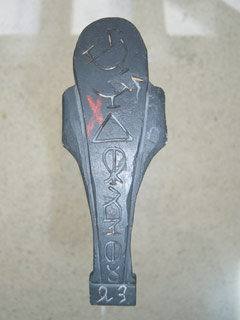
BUCHLOV CASTLE, ETNOGRAPHIC INSTITUTE, TEN AMULETS, EGYPT, BEGINNING OF 18th CENTURY
On loan from the complete collection of 31 stone amulets, consisting of stylized figures and tables with engraved inscriptions. The collection was put together during a period extending from the beginning of the 18th century to the 1930’s by the noble family of the Berchtolds of Uherčice on the Buchlov castle. Most of the specimens originate from their own travels through North Africa, Asia Minor and Europe. According to surviving documents, the exhibits on display, together with an Egyptian mummy (which can still be seen in the castle), were added to their museum in the Buchlov castle as a family gift by Lord Josef of Mitrovice,
On loan from the complete collection of 31 stone amulets, consisting of stylized figures and tables with engraved inscriptions. The collection was put together during a period extending from the beginning of the 18th century to the 1930’s by the noble family of the Berchtolds of Uherčice on the Buchlov castle. Most of the specimens originate from their own travels through North Africa, Asia Minor and Europe. According to surviving documents, the exhibits on display, together with an Egyptian mummy (which can still be seen in the castle), were added to their museum in the Buchlov castle as a family gift by Lord Josef of Mitrovice,
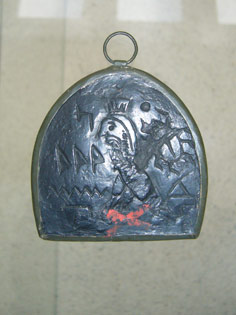
BUCHLOV CASTLE, ETNOGRAPHIC INSTITUTE, TEN AMULETS, EGYPT, BEGINNING OF 18th CENTURY
On loan from the complete collection of 31 stone amulets, consisting of stylized figures and tables with engraved inscriptions. The collection was put together during a period extending from the beginning of the 18th century to the 1930’s by the noble family of the Berchtolds of Uherčice on the Buchlov castle. Most of the specimens originate from their own travels through North Africa, Asia Minor and Europe. According to surviving documents, the exhibits on display, together with an Egyptian mummy (which can still be seen in the castle), were added to their museum in the Buchlov castle as a family gift by Lord Josef of Mitrovice,
On loan from the complete collection of 31 stone amulets, consisting of stylized figures and tables with engraved inscriptions. The collection was put together during a period extending from the beginning of the 18th century to the 1930’s by the noble family of the Berchtolds of Uherčice on the Buchlov castle. Most of the specimens originate from their own travels through North Africa, Asia Minor and Europe. According to surviving documents, the exhibits on display, together with an Egyptian mummy (which can still be seen in the castle), were added to their museum in the Buchlov castle as a family gift by Lord Josef of Mitrovice,
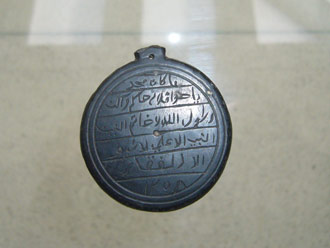
BUCHLOV CASTLE, ETNOGRAPHIC INSTITUTE, TEN AMULETS, EGYPT, BEGINNING OF 18th CENTURY
On loan from the complete collection of 31 stone amulets, consisting of stylized figures and tables with engraved inscriptions. The collection was put together during a period extending from the beginning of the 18th century to the 1930’s by the noble family of the Berchtolds of Uherčice on the Buchlov castle. Most of the specimens originate from their own travels through North Africa, Asia Minor and Europe. According to surviving documents, the exhibits on display, together with an Egyptian mummy (which can still be seen in the castle), were added to their museum in the Buchlov castle as a family gift by Lord Josef of Mitrovice,
On loan from the complete collection of 31 stone amulets, consisting of stylized figures and tables with engraved inscriptions. The collection was put together during a period extending from the beginning of the 18th century to the 1930’s by the noble family of the Berchtolds of Uherčice on the Buchlov castle. Most of the specimens originate from their own travels through North Africa, Asia Minor and Europe. According to surviving documents, the exhibits on display, together with an Egyptian mummy (which can still be seen in the castle), were added to their museum in the Buchlov castle as a family gift by Lord Josef of Mitrovice,
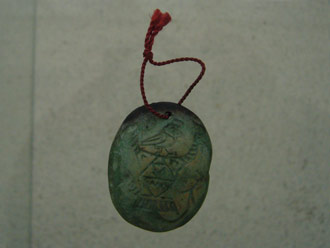
BUCHLOV CASTLE, ETNOGRAPHIC INSTITUTE, TEN AMULETS, EGYPT, BEGINNING OF 18th CENTURY
On loan from the complete collection of 31 stone amulets, consisting of stylized figures and tables with engraved inscriptions. The collection was put together during a period extending from the beginning of the 18th century to the 1930’s by the noble family of the Berchtolds of Uherčice on the Buchlov castle. Most of the specimens originate from their own travels through North Africa, Asia Minor and Europe. According to surviving documents, the exhibits on display, together with an Egyptian mummy (which can still be seen in the castle), were added to their museum in the Buchlov castle as a family gift by Lord Josef of Mitrovice,
On loan from the complete collection of 31 stone amulets, consisting of stylized figures and tables with engraved inscriptions. The collection was put together during a period extending from the beginning of the 18th century to the 1930’s by the noble family of the Berchtolds of Uherčice on the Buchlov castle. Most of the specimens originate from their own travels through North Africa, Asia Minor and Europe. According to surviving documents, the exhibits on display, together with an Egyptian mummy (which can still be seen in the castle), were added to their museum in the Buchlov castle as a family gift by Lord Josef of Mitrovice,
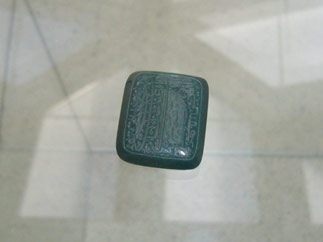
BUCHLOV CASTLE, ETNOGRAPHIC INSTITUTE, TEN AMULETS, EGYPT, BEGINNING OF 18th CENTURY
On loan from the complete collection of 31 stone amulets, consisting of stylized figures and tables with engraved inscriptions. The collection was put together during a period extending from the beginning of the 18th century to the 1930’s by the noble family of the Berchtolds of Uherčice on the Buchlov castle. Most of the specimens originate from their own travels through North Africa, Asia Minor and Europe. According to surviving documents, the exhibits on display, together with an Egyptian mummy (which can still be seen in the castle), were added to their museum in the Buchlov castle as a family gift by Lord Josef of Mitrovice,
On loan from the complete collection of 31 stone amulets, consisting of stylized figures and tables with engraved inscriptions. The collection was put together during a period extending from the beginning of the 18th century to the 1930’s by the noble family of the Berchtolds of Uherčice on the Buchlov castle. Most of the specimens originate from their own travels through North Africa, Asia Minor and Europe. According to surviving documents, the exhibits on display, together with an Egyptian mummy (which can still be seen in the castle), were added to their museum in the Buchlov castle as a family gift by Lord Josef of Mitrovice,
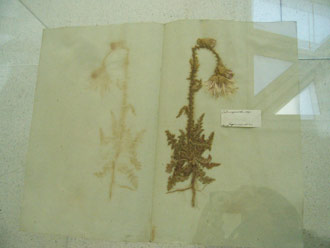
MORAVIAN MUSEUM, BRNO, PLANT DEPARTMENT, HERBARIUM SHEETS, 1848, MOROCCO
Philipp Salzmann (1781–1851) was a German botanist who settled in France in Montpellier. He also collected material in Northern Africa and sent multiple specimens of his collections to various institutions throughout Europe. The Moravian Museum acquired this material in 1848 with the legacy of Konstantin Karl Münch-Bellinghausen. The specimens of the so-called authentic material which are most significant include plants by which Salzmann described new species and gave them a name. The specimens on display are Inula dumetorum Salzmann and Carduus myriacanthus Salzmann.
Philipp Salzmann (1781–1851) was a German botanist who settled in France in Montpellier. He also collected material in Northern Africa and sent multiple specimens of his collections to various institutions throughout Europe. The Moravian Museum acquired this material in 1848 with the legacy of Konstantin Karl Münch-Bellinghausen. The specimens of the so-called authentic material which are most significant include plants by which Salzmann described new species and gave them a name. The specimens on display are Inula dumetorum Salzmann and Carduus myriacanthus Salzmann.
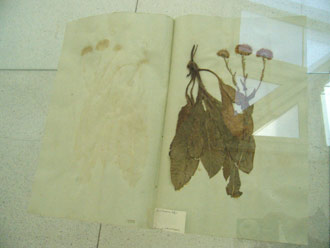
MORAVIAN MUSEUM, BRNO, PLANT DEPARTMENT, HERBARIUM SHEETS, 1848, MOROCCO
Philipp Salzmann (1781–1851) was a German botanist who settled in France in Montpellier. He also collected material in Northern Africa and sent multiple specimens of his collections to various institutions throughout Europe. The Moravian Museum acquired this material in 1848 with the legacy of Konstantin Karl Münch-Bellinghausen. The specimens of the so-called authentic material which are most significant include plants by which Salzmann described new species and gave them a name. The specimens on display are Inula dumetorum Salzmann and Carduus myriacanthus Salzmann.
Philipp Salzmann (1781–1851) was a German botanist who settled in France in Montpellier. He also collected material in Northern Africa and sent multiple specimens of his collections to various institutions throughout Europe. The Moravian Museum acquired this material in 1848 with the legacy of Konstantin Karl Münch-Bellinghausen. The specimens of the so-called authentic material which are most significant include plants by which Salzmann described new species and gave them a name. The specimens on display are Inula dumetorum Salzmann and Carduus myriacanthus Salzmann.
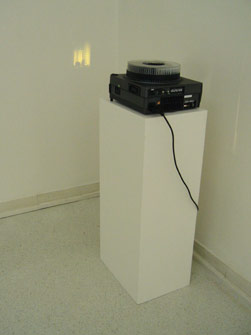
JIŘÍ VICENÍK, SERIES OF SLIDES, 1977, LIBYA (reproduction)
Jiří Viceník (1928–1987), a construction engineer by profession, designed and built in many countries in the Middle East and Africa. During his sojourns he also showed himself to be an enthusiastic photographer. These photographs were taken in Libya in 1977.
Jiří Viceník (1928–1987), a construction engineer by profession, designed and built in many countries in the Middle East and Africa. During his sojourns he also showed himself to be an enthusiastic photographer. These photographs were taken in Libya in 1977.
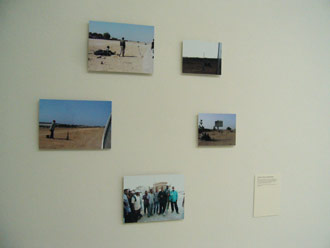
TRADEMARKS, 2006, PRIVATE COLLECTION
Objects bought from Egyptian workers offering their manual labour in the city of Benghazi, Libya. The collected items are related to different professions, representing the specialized labour, while the photographs shows the immediate environment of the place the objects were purchased.
The collection includes Painter, Masonry, Demolition, Electrician and Plumber
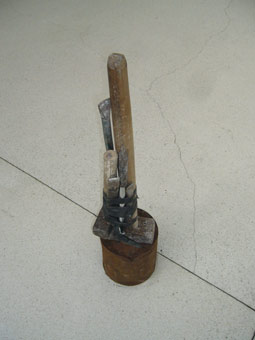
TRADEMARKS, 2006, PRIVATE COLLECTION
Objects bought from Egyptian workers offering their manual labour in the city of Benghazi, Libya. The collected items are related to different professions, representing the specialized labour, while the photographs shows the immediate environment of the place the objects were purchased.
The collection includes Painter, Masonry, Demolition, Electrician and Plumber
Objects bought from Egyptian workers offering their manual labour in the city of Benghazi, Libya. The collected items are related to different professions, representing the specialized labour, while the photographs shows the immediate environment of the place the objects were purchased.
The collection includes Painter, Masonry, Demolition, Electrician and Plumber
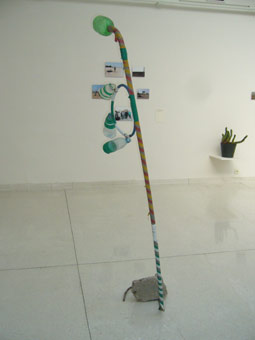
TRADEMARKS, 2006, PRIVATE COLLECTION
Objects bought from Egyptian workers offering their manual labour in the city of Benghazi, Libya. The collected items are related to different professions, representing the specialized labour, while the photographs shows the immediate environment of the place the objects were purchased.
The collection includes Painter, Masonry, Demolition, Electrician and Plumber
Objects bought from Egyptian workers offering their manual labour in the city of Benghazi, Libya. The collected items are related to different professions, representing the specialized labour, while the photographs shows the immediate environment of the place the objects were purchased.
The collection includes Painter, Masonry, Demolition, Electrician and Plumber
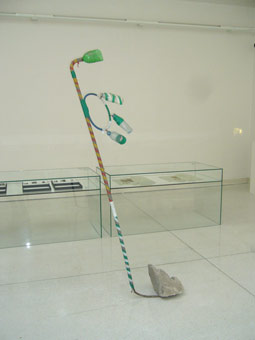
TRADEMARKS, 2006, PRIVATE COLLECTION
Objects bought from Egyptian workers offering their manual labour in the city of Benghazi, Libya. The collected items are related to different professions, representing the specialized labour, while the photographs shows the immediate environment of the place the objects were purchased.
The collection includes Painter, Masonry, Demolition, Electrician and Plumber
Objects bought from Egyptian workers offering their manual labour in the city of Benghazi, Libya. The collected items are related to different professions, representing the specialized labour, while the photographs shows the immediate environment of the place the objects were purchased.
The collection includes Painter, Masonry, Demolition, Electrician and Plumber
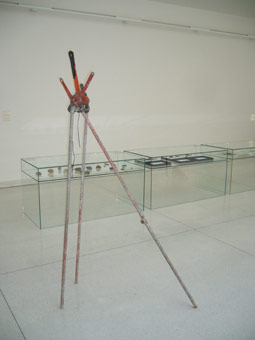
TRADEMARKS, 2006, PRIVATE COLLECTION
Objects bought from Egyptian workers offering their manual labour in the city of Benghazi, Libya. The collected items are related to different professions, representing the specialized labour, while the photographs shows the immediate environment of the place the objects were purchased.
The collection includes Painter, Masonry, Demolition, Electrician and Plumber
Objects bought from Egyptian workers offering their manual labour in the city of Benghazi, Libya. The collected items are related to different professions, representing the specialized labour, while the photographs shows the immediate environment of the place the objects were purchased.
The collection includes Painter, Masonry, Demolition, Electrician and Plumber
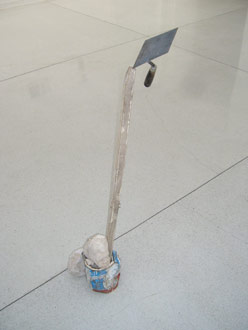
TRADEMARKS, 2006, PRIVATE COLLECTION
Objects bought from Egyptian workers offering their manual labour in the city of Benghazi, Libya. The collected items are related to different professions, representing the specialized labour, while the photographs shows the immediate environment of the place the objects were purchased.
The collection includes Painter, Masonry, Demolition, Electrician and Plumber
Objects bought from Egyptian workers offering their manual labour in the city of Benghazi, Libya. The collected items are related to different professions, representing the specialized labour, while the photographs shows the immediate environment of the place the objects were purchased.
The collection includes Painter, Masonry, Demolition, Electrician and Plumber
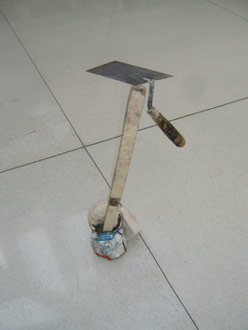
TRADEMARKS, 2006, PRIVATE COLLECTION
Objects bought from Egyptian workers offering their manual labour in the city of Benghazi, Libya. The collected items are related to different professions, representing the specialized labour, while the photographs shows the immediate environment of the place the objects were purchased.
The collection includes Painter, Masonry, Demolition, Electrician and Plumber
Objects bought from Egyptian workers offering their manual labour in the city of Benghazi, Libya. The collected items are related to different professions, representing the specialized labour, while the photographs shows the immediate environment of the place the objects were purchased.
The collection includes Painter, Masonry, Demolition, Electrician and Plumber
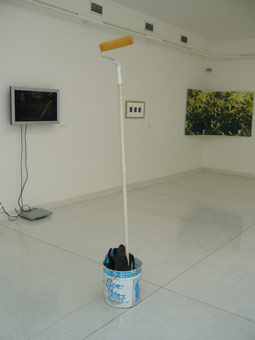
TRADEMARKS, 2006, PRIVATE COLLECTION
Objects bought from Egyptian workers offering their manual labour in the city of Benghazi, Libya. The collected items are related to different professions, representing the specialized labour, while the photographs shows the immediate environment of the place the objects were purchased.
The collection includes Painter, Masonry, Demolition, Electrician and Plumber
Objects bought from Egyptian workers offering their manual labour in the city of Benghazi, Libya. The collected items are related to different professions, representing the specialized labour, while the photographs shows the immediate environment of the place the objects were purchased.
The collection includes Painter, Masonry, Demolition, Electrician and Plumber
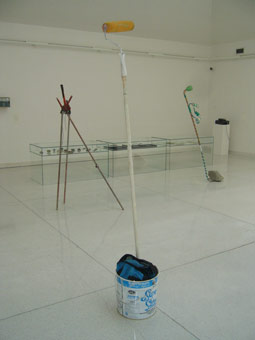
TRADEMARKS, 2006, PRIVATE COLLECTION
Objects bought from Egyptian workers offering their manual labour in the city of Benghazi, Libya. The collected items are related to different professions, representing the specialized labour, while the photographs shows the immediate environment of the place the objects were purchased.
The collection includes Painter, Masonry, Demolition, Electrician and Plumber
Objects bought from Egyptian workers offering their manual labour in the city of Benghazi, Libya. The collected items are related to different professions, representing the specialized labour, while the photographs shows the immediate environment of the place the objects were purchased.
The collection includes Painter, Masonry, Demolition, Electrician and Plumber
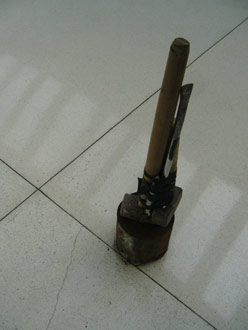
TRADEMARKS, 2006, PRIVATE COLLECTION
Objects bought from Egyptian workers offering their manual labour in the city of Benghazi, Libya. The collected items are related to different professions, representing the specialized labour, while the photographs shows the immediate environment of the place the objects were purchased.
The collection includes Painter, Masonry, Demolition, Electrician and Plumber
Objects bought from Egyptian workers offering their manual labour in the city of Benghazi, Libya. The collected items are related to different professions, representing the specialized labour, while the photographs shows the immediate environment of the place the objects were purchased.
The collection includes Painter, Masonry, Demolition, Electrician and Plumber
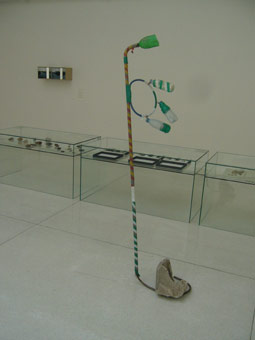
TRADEMARKS, 2006, PRIVATE COLLECTION
Objects bought from Egyptian workers offering their manual labour in the city of Benghazi, Libya. The collected items are related to different professions, representing the specialized labour, while the photographs shows the immediate environment of the place the objects were purchased.
The collection includes Painter, Masonry, Demolition, Electrician and Plumber
Objects bought from Egyptian workers offering their manual labour in the city of Benghazi, Libya. The collected items are related to different professions, representing the specialized labour, while the photographs shows the immediate environment of the place the objects were purchased.
The collection includes Painter, Masonry, Demolition, Electrician and Plumber
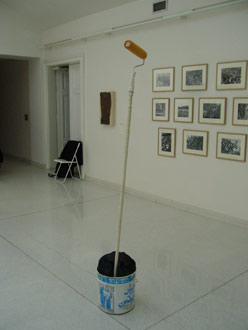
TRADEMARKS, 2006, PRIVATE COLLECTION
Objects bought from Egyptian workers offering their manual labour in the city of Benghazi, Libya. The collected items are related to different professions, representing the specialized labour, while the photographs shows the immediate environment of the place the objects were purchased.
The collection includes Painter, Masonry, Demolition, Electrician and Plumber
Objects bought from Egyptian workers offering their manual labour in the city of Benghazi, Libya. The collected items are related to different professions, representing the specialized labour, while the photographs shows the immediate environment of the place the objects were purchased.
The collection includes Painter, Masonry, Demolition, Electrician and Plumber
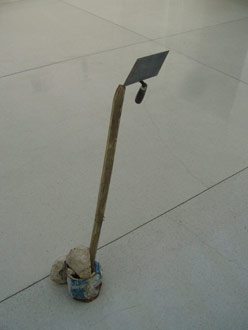
TRADEMARKS, 2006, PRIVATE COLLECTION
Objects bought from Egyptian workers offering their manual labour in the city of Benghazi, Libya. The collected items are related to different professions, representing the specialized labour, while the photographs shows the immediate environment of the place the objects were purchased.
The collection includes Painter, Masonry, Demolition, Electrician and Plumber
Objects bought from Egyptian workers offering their manual labour in the city of Benghazi, Libya. The collected items are related to different professions, representing the specialized labour, while the photographs shows the immediate environment of the place the objects were purchased.
The collection includes Painter, Masonry, Demolition, Electrician and Plumber
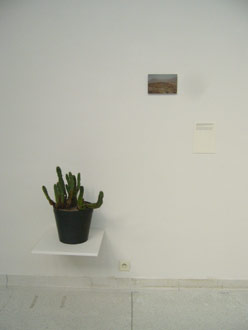
DR. SUTORÝ, MORAVIAN MUSEUM, BRNO, PLANT DEPARTMENT, PHOTOGRAPH AND PLANT, MOROCCO, 1990s (digital print)
A photograph and a specimen of the succulent plant Euphorbia echinus Hooker fil. and Cosson, growing in groups from the coast of South-west Morocco up to an altitude of almost 1700 m in the Anti-Atlas range. It also occurs in arid regions with prevailing horizontal precipitation – fogs, the condensation of which provides moisture.
The photograph was taken during botanical research carried out by Dr. Sutorý. Argan (Argania spinosa (L.) Skeels), an evergreen tree from the Sapote family (Sapotaceae), occurs in south-west Morocco. The seven to ten metre high tree grows isolated in the countryside or is planted in thin plantations. Its soft yellow fruits, elongated, up to 4 cm long and pointed, which contain a nut with seeds, become ripe in August. In its habitat the rainfall averages a maximum of 200-300 mm per year. It is an important plant both for being endemic to this part of Morocco, not occurring naturally elsewhere, and for its use in the production of oil. Its wood is hard and heavy. The significance of the tree is underlined by the fact that a UNESCO Biospheric Reservation was proclaimed in 1998 with the aim of protecting the trees against the increasing anthropogenic pressure.
DR. SUTORÝ, MORAVIAN MUSEUM, BRNO, PLANT DEPARTMENT, PHOTOGRAPH AND PLANT, MOROCCO, 1990s (digital print)
A photograph and a specimen of the succulent plant Euphorbia echinus Hooker fil. and Cosson, growing in groups from the coast of South-west Morocco up to an altitude of almost 1700 m in the Anti-Atlas range. It also occurs in arid regions with prevailing horizontal precipitation – fogs, the condensation of which provides moisture.
The photograph was taken during botanical research carried out by Dr. Sutorý. Argan (Argania spinosa (L.) Skeels), an evergreen tree from the Sapote family (Sapotaceae), occurs in south-west Morocco. The seven to ten metre high tree grows isolated in the countryside or is planted in thin plantations. Its soft yellow fruits, elongated, up to 4 cm long and pointed, which contain a nut with seeds, become ripe in August. In its habitat the rainfall averages a maximum of 200-300 mm per year. It is an important plant both for being endemic to this part of Morocco, not occurring naturally elsewhere, and for its use in the production of oil. Its wood is hard and heavy. The significance of the tree is underlined by the fact that a UNESCO Biospheric Reservation was proclaimed in 1998 with the aim of protecting the trees against the increasing anthropogenic pressure.
A photograph and a specimen of the succulent plant Euphorbia echinus Hooker fil. and Cosson, growing in groups from the coast of South-west Morocco up to an altitude of almost 1700 m in the Anti-Atlas range. It also occurs in arid regions with prevailing horizontal precipitation – fogs, the condensation of which provides moisture.
The photograph was taken during botanical research carried out by Dr. Sutorý. Argan (Argania spinosa (L.) Skeels), an evergreen tree from the Sapote family (Sapotaceae), occurs in south-west Morocco. The seven to ten metre high tree grows isolated in the countryside or is planted in thin plantations. Its soft yellow fruits, elongated, up to 4 cm long and pointed, which contain a nut with seeds, become ripe in August. In its habitat the rainfall averages a maximum of 200-300 mm per year. It is an important plant both for being endemic to this part of Morocco, not occurring naturally elsewhere, and for its use in the production of oil. Its wood is hard and heavy. The significance of the tree is underlined by the fact that a UNESCO Biospheric Reservation was proclaimed in 1998 with the aim of protecting the trees against the increasing anthropogenic pressure.
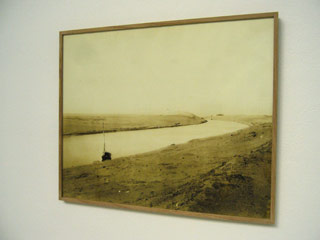
FORMER COLLECTION OF ERWIN DUBSKÝ, LYSICE CHATEAU, Landscape around the Suez Canal. Albumin PAPER With subtle Golden tinting. Around 1870 (copy - digital print).
This photograph belongs to the collection of 510 images brought, from his journey around the world, by Erwin Dubský, a member of an old aristocratic family of the Dubský of Třebomyslice, who, in the 19th century, resided mainly in the their seat in the Moravian village of Lysice. The later-to-be frigate captain Dubský served, between 1874 – 1876, as the first officer on the Erzherzog Friedrich, a corvette of the Austrian navy, which, in 1874, set sail from the port of Pula on a voyage to East Asia and America, the first stop being the Suez Canal. Dubský documented the whole voyage by visiting local photographic studios in the ports of call and buying great numbers of photographs. After his return to Lysice he pasted them onto cartons and filed them in special albums which have survived to this day. The region around the Suez Canal and the surroundings of the town of Port Said are depicted on a total of 21 photographs from the Dubský collection, mostly works from studios of unknown masters working in the area around 1870.
This photograph belongs to the collection of 510 images brought, from his journey around the world, by Erwin Dubský, a member of an old aristocratic family of the Dubský of Třebomyslice, who, in the 19th century, resided mainly in the their seat in the Moravian village of Lysice. The later-to-be frigate captain Dubský served, between 1874 – 1876, as the first officer on the Erzherzog Friedrich, a corvette of the Austrian navy, which, in 1874, set sail from the port of Pula on a voyage to East Asia and America, the first stop being the Suez Canal. Dubský documented the whole voyage by visiting local photographic studios in the ports of call and buying great numbers of photographs. After his return to Lysice he pasted them onto cartons and filed them in special albums which have survived to this day. The region around the Suez Canal and the surroundings of the town of Port Said are depicted on a total of 21 photographs from the Dubský collection, mostly works from studios of unknown masters working in the area around 1870.
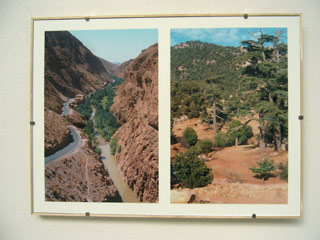
PETR BENDA, MANUEL RUEDI & STÉPHANE AULAGNIER, PHOTOGRAPHS, 2003, MOROCCO (digital print)
Photographs taken as part of research into the occurrence of bats in Morocco during two field trips in 1989 and 2003. Most bats were netted and occasionally also found during the visual inspection of underground shelters. The collected specimens are deposited in the collection of the Department of Zoology, National Museum (Natural History), Prague (NMP), and in the collection of the Natural History Museum, Geneva, Switzerland (MHNG).
Photograph 1.
The river Oum er Rbia, about 5 km SW of Bekrite, Moyen Atlas Mts., central Morocco, ca. 1780 m above sea level. Habitat of the Whiskered bat (Myotis mystacinus), Isabelline serotine (Eptesicus isabellinus), Common pipistrelle (Pipistrellus pipistrellus), and Leisler’s bat (Nyctalus leisleri).
Photograph 2.
The Gorges du Dadès, about 5 km NW of Aït-Ali, southern slope of the Haut Atlas Mts., central Morocco, ca. 1690 m above sea level. Habitat of the Isabelline serotine (Eptesicus isabellinus), Savi’s pipistrelle (Hypsugo savii), and Common pipistrelle (Pipistrellus pipistrellus). In a similar habitat, in the neighbouring parallel Gorges du Todra, the Desert pipistrelle (Pipistrellus (kuhlii) deserti) and the European free-tailed bat (Tadarida teniotis) were also collected.
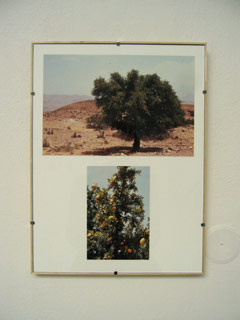
DR. SUTORÝ, MORAVIAN MUSEUM, BRNO, PLANT DEPARTMENT, PHOTOGRAPH AND PLANT, MOROCCO, 1990s (digital print)
The photograph was taken during botanical research carried out by Dr. Sutorý. Argan (Argania spinosa (L.) Skeels), an evergreen tree from the Sapote family (Sapotaceae), occurs in south-west Morocco. The seven to ten metre high tree grows isolated in the countryside or is planted in thin plantations. Its soft yellow fruits, elongated, up to 4 cm long and pointed, which contain a nut with seeds, become ripe in August. In its habitat the rainfall averages a maximum of 200-300 mm per year. It is an important plant both for being endemic to this part of Morocco, not occurring naturally elsewhere, and for its use in the production of oil. Its wood is hard and heavy. The significance of the tree is underlined by the fact that a UNESCO Biospheric Reservation was proclaimed in 1998 with the aim of protecting the trees against the increasing anthropogenic pressure.
The photograph was taken during botanical research carried out by Dr. Sutorý. Argan (Argania spinosa (L.) Skeels), an evergreen tree from the Sapote family (Sapotaceae), occurs in south-west Morocco. The seven to ten metre high tree grows isolated in the countryside or is planted in thin plantations. Its soft yellow fruits, elongated, up to 4 cm long and pointed, which contain a nut with seeds, become ripe in August. In its habitat the rainfall averages a maximum of 200-300 mm per year. It is an important plant both for being endemic to this part of Morocco, not occurring naturally elsewhere, and for its use in the production of oil. Its wood is hard and heavy. The significance of the tree is underlined by the fact that a UNESCO Biospheric Reservation was proclaimed in 1998 with the aim of protecting the trees against the increasing anthropogenic pressure.
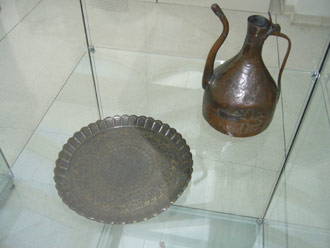
MORAVIAN GALLERY IN BRNO, MUSEUM OF APPLIED ARTS
– Wrought copper pot with spout decorated with simple engraved ornament
17th century (?), the Orient – Bronze tray decorated with engraved ornament, inscriptions and animals, Cairo
Shortly after its inception in 1873, the Museum of Applied Arts in Brno set out to enrich its collections with examples of material cultures from non-European countries. It was mainly during the first forty years of the museum’s existence that its collections were extended by a great number of specimens of arts and crafts from China, Japan, as well as the Middle East and the Mediterranean. The museum curators were not limited to acquiring gifts by important donors, such as Jan II of Liechtenstein, but systematically purchased items in antique shops in Brno and Vienna.
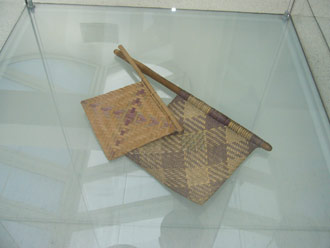
NATIONAL MUSEUM, PRAGUE, NÁPRSTEK’ MUSEUM OF ASIAN, AFRICAN, AND AMERICAN CULTURES
Two fans, natural fibres, North Africa, handed over by the Moravian Museum, Brno
Two fans, natural fibres, North Africa, handed over by the Moravian Museum, Brno
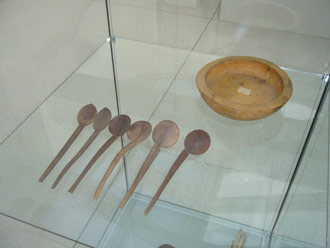
NATIONAL MUSEUM, PRAGUE, NÁPRSTEK’ MUSEUM OF ASIAN, AFRICAN, AND AMERICAN CULTURES
Plate, wood, Algeria, donated by Mrs. Zichová in 1980
MORAVIAN MUSEUM, BRNO, ETHNOGRAPHIC INSTITUTE, SPOONS, 19th CENTURY, ALGERIA
A set of wooden spoons from the old collection of the Ethnographic Institute of the Moravian Museum, Algeria, probably Sidi a Boud Saady, 19th century, on loan from the Anthropos Institute of the Moravian Museum.
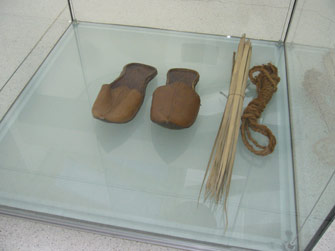
NATIONAL MUSEUM, PRAGUE, NÁPRSTEK’ MUSEUM OF ASIAN, AFRICAN, AND AMERICAN CULTURES
Rope from natural fibres, Kerkenna Islands, halfa, Tunisia, donated by the architect V. Červenka in 1965
Men’s slippers, leather, Libya, sent from his travels by A. Stecker
A bunch of halfa, North Africa, donated by A. Stecker
Rope from natural fibres, Kerkenna Islands, halfa, Tunisia, donated by the architect V. Červenka in 1965
Men’s slippers, leather, Libya, sent from his travels by A. Stecker
A bunch of halfa, North Africa, donated by A. Stecker
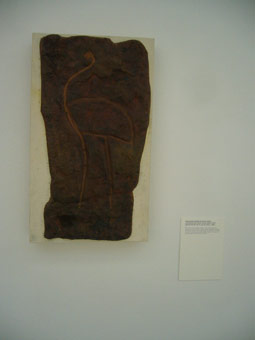
MORAVIAN MUSEUM, BRNO, ANTHROPOS INSTITUTE, COPY OF A NEOLITHIC ROCK ENGRAVING, 1970s, LIBYA
A copy of a rock engraving from the Fezzan region, Libya, Neolithic Period. The copy was made as a duplicate by prof. Jan Jelínek when preparing the permanent prehistory exhibition for the national museum in Tripoli in the 1970's. On loan from the Anthropos Institute of the Moravian Museum.
A copy of a rock engraving from the Fezzan region, Libya, Neolithic Period. The copy was made as a duplicate by prof. Jan Jelínek when preparing the permanent prehistory exhibition for the national museum in Tripoli in the 1970's. On loan from the Anthropos Institute of the Moravian Museum.
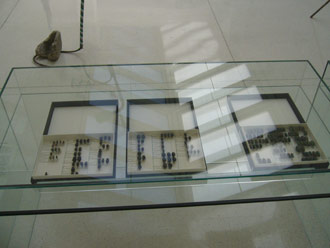
MORAVIAN MUSEUM IN BRNO, ENTOMOLOGY
2 Boxes: Tenebrionidae
The collections of the Entomological Department of the Moravian Museum contain North-African insects from private collections from the end of the 18th and the beginning of the 20th century. The darkling beetles (Tenebrionidae) from the beetles order (Coleoptera) are the most frequent specimens. The specimen from the museum repository on display was classified and determined in 1965 by Prof. P. Ardoin of France, a specialist in North African Tenebrionidae of world renown.
1 Box: Buprestidae
Since the 1970’s Czech entomologist have been involved in research into the insects in North Africa, initially in Algeria and Libya and from the 1990’s in Tunisia and Morocco as well. J. Kolibáč and V. Kubáň from the Entomological Department of the Moravian University took part in an expedition in 1988. The field study helped them elucidate the causes of the shape and colour variety of the beetles from the Julodis family. This variety depends, among other things, on the type of soil, in which the larvae develop. As this collection box documents, beetles which underwent the larvae development among the roots of plants growing in sand have a different appearance to beetles developing in the rocky hamada.
The oldest collections of insects in North Africa date back to the end of the 18th century. Mainly European scientists and collectors concentrated principally on the region of Upper Egypt and Nubia in the east, and the surroundings of North African Tangier in the west. During the 19th century and the beginning of the 20th century the biological study extended to the regions of Cyrenaica, Tripolitania and the Maghreb countries. Indeed, most of the insect collections from this area come from the end of the 19th and the beginning of the 20th century. Professional and amateur collections of that period were established mainly by firms dealing in collecting minerals all over the world, including the North African countries.
Egypt and Morocco have their own museums and collections of insects with a long tradition of collaboration with European institutions. The centre of research in Algeria is in France; important European entomologists also worked in Tunisia and Morocco. Libya remains the least researched country.